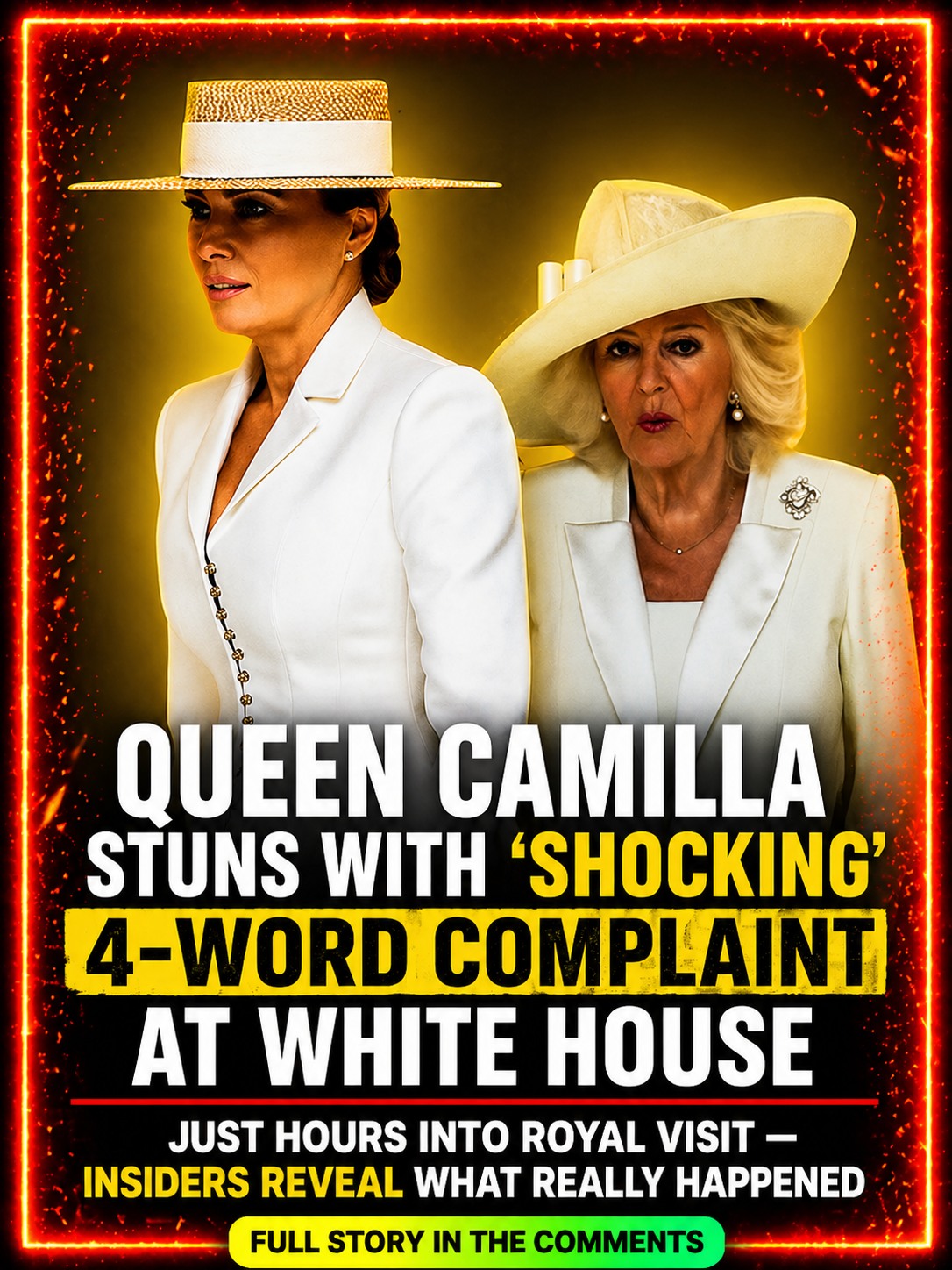
What unfolded that night was less about fabric and more about power. In a palace where women traditionally armor themselves in modest sleeves and diplomatic beige, Melania Trump arrived as a visual counterargument. Her dress asserted that representing a nation need not mean dissolving into the wallpaper. Standing beside Queen Camilla, she became the cinematic foil to royal understatement, a living split-screen of old-world duty and modern image-making.
The fallout proved how deeply clothing now functions as political text. To some, the gown was a misstep—too loud, too expensive, too American in its refusal to yield. To others, it was a rare act of female self-authorship within a rigid script. Long after the speeches faded, what remained was that defiant pink under the chandeliers, forcing an uncomfortable but necessary question: must respect always look like silence, or can it sometimes arrive draped in Dior and utterly unwilling to disappear?