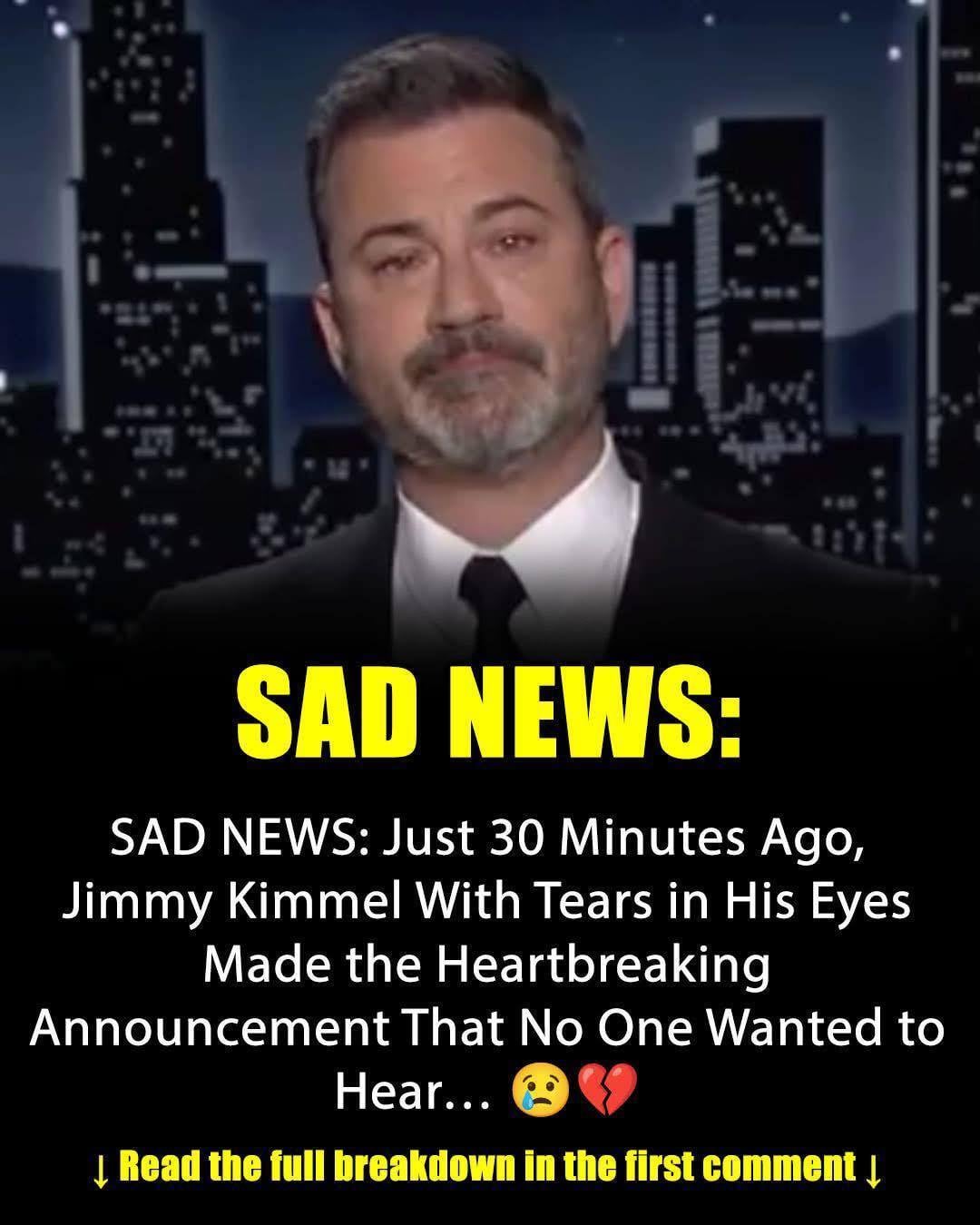
What unfolded on Kimmel’s stage was less a performance than a public reckoning. Listing those he feared would be hurt most by Donald Trump’s victory, he spoke like a man who understood that every policy debate would land on real lives: immigrants, patients, seniors, working families, allies abroad. The audience tried to lift him with applause, but the weight in the room never really left. His vulnerability didn’t just reveal his politics; it revealed his fear that the country might be stepping away from the values he thought were shared.
Reactions split instantly, mirroring the nation itself. Some accused him of turning comedy into a lecture. Others saw a rare moment of honesty in a medium built on distraction. Yet that’s why the monologue endures: it captured a fracture in American life in real time, through a man whose job is to make people forget their worries—suddenly admitting he couldn’t forget his own.