The Humble Wooden Clothespin: A Household Tool That Stood the Test of Time
A Small Object That Sparked Curiosity
Household tools often become so familiar that people rarely stop to consider their origins. Yet many of the most common items found around the home have long histories shaped by necessity, innovation, and everyday life.
One such object is the wooden clothespin. Though simple in appearance, this practical tool played an important role in helping generations of families dry their laundry before modern appliances became widespread.
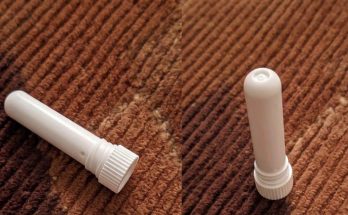
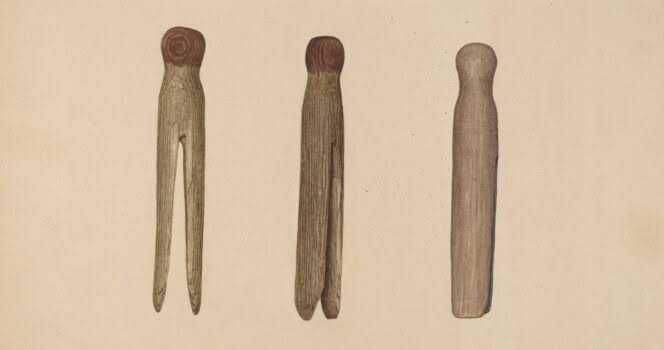
Interest in the traditional clothespin resurfaced recently when an online user discovered several small wooden objects with two legs and turned to social media for help identifying them.
The unusual-looking items quickly attracted attention from older users who immediately recognized them. For many, the discovery brought back memories of a time when drying clothes outdoors was a daily routine.
One response summed up the answer clearly: “Old school clothespins. [We] used them for hanging clean wet clothes outside on the [clothes] line to dry in the sun [and] fresh air!”
That simple explanation opened the door to a broader discussion about a tool that once occupied an essential place in homes around the world.
The Purpose of a Clothespin
A wooden clothespin, often called a clothes peg, is designed to secure wet clothing to a clothesline while it dries outdoors.
Modern versions typically consist of two wooden pieces connected by a metal spring. The spring creates tension that allows the pin to grip fabric firmly while remaining easy to open and close.
The design may appear basic, but it solved a practical problem that households faced for centuries. Wet garments hanging outside were vulnerable to wind, movement, and changing weather conditions.
Without a reliable fastening tool, freshly washed clothing could easily fall to the ground or be carried away by strong gusts.
The clothespin provided a simple and affordable solution. By securing garments firmly to a line, it helped ensure that laundry remained in place while drying naturally in sunlight and fresh air.
Early Origins of Laundry Fasteners
The history of clothespins stretches back much further than many people realize. Long before modern manufacturing methods existed, people developed different ways to secure laundry during the drying process.
The earliest clothespins were significantly different from the versions commonly recognized today.
These early devices were handcrafted from available natural materials, including wood, bone, and even stone. Because they were made individually rather than in factories, their appearance varied widely depending on the maker.
Many early examples featured decorative details and carved designs. Rather than being purely functional, they often reflected local craftsmanship and artistic traditions.
Each pin was typically shaped by hand, making every piece somewhat unique. Although simple in purpose, these objects demonstrated the creativity people applied to everyday household needs.
As communities grew and domestic work evolved, the need for more efficient laundry tools became increasingly apparent.
The Rise of the Modern Wooden Clothespin
The clothespin design familiar to most people today began taking shape during the nineteenth century.
During this period, households sought practical solutions that could make routine chores easier and more reliable. Laundry was among the most labor-intensive responsibilities, requiring significant time and effort.
To address these challenges, improved clothespin designs emerged.
The earliest versions of the modern clothespin were commonly made from hardwoods such as maple or birch. These woods offered strength and durability while remaining relatively lightweight.
The design generally featured two wooden pieces connected together, creating a gripping mechanism capable of holding garments securely.
This represented a major improvement over earlier methods that were less reliable under windy conditions.
The development of the clothespin was not merely a matter of convenience. It addressed a recurring frustration experienced by countless people responsible for washing and drying clothes.
A Significant Improvement in 1853
A major milestone in clothespin history arrived in 1853 when David M. Smith of Vermont patented an improved version of the device.
His patent, dated October 25, 1853, described a design in which the pieces were connected by a wire mechanism.
The arrangement allowed users to squeeze one end of the clothespin, causing the opposite end to open and grip fabric securely when released.
This design created a stronger and more dependable hold than many previous versions.
The two wooden sections were carefully shaped to form a clamp. When pressure was applied, the pin opened easily. When released, it closed tightly around clothing and the clothesline.
The wire mechanism provided the tension necessary for reliable performance and made the clothespin easier to use repeatedly.
The innovation may seem modest today, but at the time it represented a meaningful advancement in household technology.
Solving a Common Laundry Problem
One of the key benefits highlighted in Smith’s patent involved the clothespin’s ability to withstand windy conditions.
Traditional designs often struggled to keep garments attached to the line during strong breezes. Clothing could become detached and end up dirty, damaged, or lost altogether.
Smith emphasized this advantage directly in his patent description.
“Another advantage and a very important one too, [what] my improved clothes pin possesses over the common pin is that it cannot be detached from the clothes by the wind as is the case with the common pin and which is a serious evil to washerwomen.”
The statement reflected a very real concern for people responsible for laundry. Losing clothing to the wind was not simply inconvenient. It could mean additional work and frustration after an already demanding chore.
The improved clothespin helped reduce that risk and quickly proved its usefulness.
Industrialization Changes Production
As industrialization expanded during the nineteenth and early twentieth centuries, manufacturing methods changed dramatically.
The production of wooden clothespins shifted from small-scale craftsmanship to more mechanized processes.
Factories dedicated to clothespin manufacturing began producing large quantities of standardized products. This increased efficiency allowed clothespins to be sold at lower prices while maintaining consistent quality.
As a result, the tool became accessible to a much larger number of households.
Mass production helped transform the clothespin from a specialized household item into a common feature of everyday life.
Families across different regions could purchase affordable clothespins and rely on them for routine laundry tasks.
The widespread availability of these products contributed significantly to their popularity and long-term success.
A Household Staple Around the World
Throughout much of the twentieth century, wooden clothespins remained an essential part of domestic life.
Before electric dryers became common, outdoor clotheslines represented one of the most practical ways to dry laundry.
Households routinely relied on sunlight and natural airflow to remove moisture from freshly washed garments.
In this environment, clothespins played a critical role.
Their affordability made them accessible to families with varying incomes. Their durability allowed them to be used repeatedly for years. Their simple design required little maintenance and rarely failed.
Even as new materials entered the market, many people continued to favor wooden clothespins because of their reliability and familiarity.
For generations, hanging laundry outdoors became a regular part of daily life, and the wooden clothespin remained at the center of that process.
Competition From Plastic Alternatives
Over time, manufacturers introduced clothespins made from plastic and other synthetic materials.
These alternatives often benefited from lower production costs and large-scale manufacturing capabilities.
In some areas, plastic clothespins gradually became more common than traditional wooden versions.
Despite this shift, wooden clothespins continued to maintain a loyal following.
Many users appreciated their durability and straightforward construction. Others preferred the natural appearance and feel of wood.
For some households, wooden clothespins represented a connection to earlier generations and longstanding family routines.
Rather than disappearing entirely, they adapted to a changing marketplace while retaining their traditional appeal.
More Than Just a Laundry Tool
Today, wooden clothespins serve purposes beyond drying clothes.
They are frequently used in craft projects, decorative displays, and educational activities.
Their simple structure makes them easy to modify, paint, and incorporate into creative designs.
At the same time, many people still use them for their original purpose.
Outdoor clotheslines remain common in numerous households, and wooden clothespins continue to provide an effective way to secure garments during drying.
Their enduring popularity reflects the practicality of a design that has changed surprisingly little over the years.
Even in an era dominated by advanced appliances and automated household systems, the traditional clothespin remains useful.
A Symbol of Simplicity and Sustainability
The wooden clothespin has become more than just a functional object. For many people, it symbolizes a simpler approach to household living.
Its continued use highlights the value of durable tools designed to perform a specific task effectively.
Wooden clothespins also appeal to those who appreciate products made from natural materials.
As interest in environmentally conscious practices has grown, traditional household items have gained renewed attention.
The clothespin stands as an example of how a straightforward design can remain relevant across generations.
Its history spans ancient handcrafted versions, nineteenth-century innovations, industrial manufacturing, and modern-day use.
What began as a practical solution for securing laundry evolved into one of the most recognizable household tools ever created.
Though technology has transformed countless aspects of daily life, the wooden clothespin remains a reminder that some inventions endure because they simply work.
Whether used for drying clothes, creating crafts, or preserving memories of earlier times, this humble wooden tool continues to hold its place in households around the world.