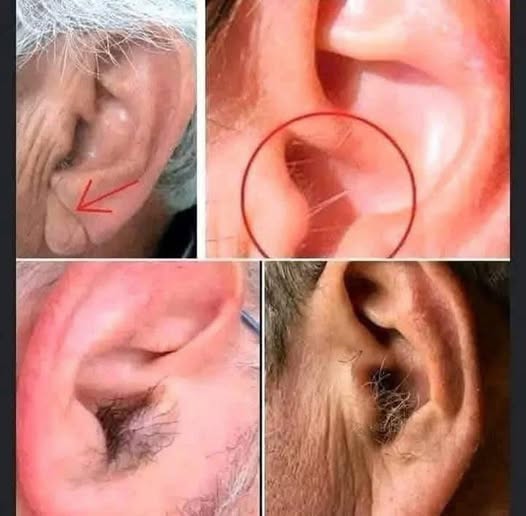
Aging often brings changes that arrive gradually rather than all at once. Most people expect to notice gray hair, fine lines, or shifts in energy levels as the years pass. However, some changes tend to catch people by surprise, including the appearance of thicker or more noticeable hair around the ears.
For many adults, discovering new ear hair can feel unexpected or even a little embarrassing. It may seem as though it appeared overnight, leading some people to wonder whether it signals a health problem or hormonal imbalance. In most cases, however, increased ear hair is a normal part of the aging process and is usually nothing to worry about.
Like many physical changes that occur over time, ear hair growth is influenced by a combination of genetics, hormones, and the natural aging of the body. Understanding why it happens can help remove some of the mystery surrounding this common experience.
Understanding Hair Growth Throughout Life
Hair covers much of the human body, although some areas are more noticeable than others. Every hair grows from a tiny structure beneath the skin known as a follicle. These follicles go through repeating cycles of growth, rest, and shedding.
Throughout life, hormones influence how these follicles behave. Some hairs become thinner, while others may become thicker or darker. This process explains why hair patterns often change significantly between childhood, adulthood, and older age.
The body contains millions of hair follicles, and each responds differently to aging. While hair on the scalp may gradually thin, hair in other locations can become more prominent. This contrast often surprises people because it seems contradictory.
However, it is a normal consequence of how different follicles react to hormonal changes over time.
The Role of Hormones
One of the primary reasons ear hair becomes more noticeable involves hormones known as androgens.
Androgens include testosterone and related hormones that are present in both men and women, although men generally have higher levels. These hormones influence hair growth in various parts of the body.
As people age, hormone levels naturally change. However, increased ear hair is not always caused by rising hormone levels. In many cases, the follicles themselves become more sensitive to hormones that have been present all along.
This increased sensitivity can cause previously fine, barely visible hairs to become thicker, darker, and more noticeable.
The process is gradual and often occurs over several years. Because changes happen slowly, many people do not notice them until the hair becomes significantly more visible.
Why Men Often Notice It More
Although ear hair can affect both men and women, it is generally more common and more noticeable in men.
Higher levels of testosterone and other androgens contribute to increased hair growth in areas such as the ears, nose, chest, and eyebrows. As men age, follicles in these regions may become increasingly responsive to hormonal signals.
This is one reason why some older men notice thicker ear hair even while experiencing thinning hair on the scalp.
The same hormones that contribute to scalp hair loss can stimulate hair growth in other areas of the body. While this may seem unusual, it is a well-recognized aspect of the aging process.
Genetics Play an Important Role
Family history is another major factor.
Some individuals are genetically predisposed to develop more noticeable ear hair as they age. If parents, grandparents, or other close relatives experienced increased ear hair growth later in life, there is a greater chance that future generations may experience it as well.
Genetics influence not only where hair grows but also its thickness, color, texture, and growth rate.
This explains why some people develop significant ear hair while others notice very little change despite being the same age.
Inherited traits often determine how follicles respond to hormonal changes over time.
Why Hair Changes With Age
Aging affects nearly every system in the body, including the skin and hair follicles.
As years pass, follicles can undergo structural and functional changes. Some become less productive, leading to thinner hair. Others become more active in specific regions.
The ears, nose, eyebrows, and facial areas are particularly known for experiencing these shifts.
Researchers believe that age-related changes in follicle behavior contribute to the increased visibility of hair in these locations.
Because aging affects individuals differently, the extent of these changes varies widely from person to person.
Is Ear Hair a Sign of Poor Health?
One of the most common concerns people have is whether increased ear hair indicates an underlying medical problem.
For the vast majority of people, the answer is no.
Ear hair growth is generally considered a normal cosmetic change associated with aging and genetics. It is not usually linked to disease or serious health concerns.
However, sudden and dramatic changes in hair growth patterns can occasionally warrant medical attention, especially if they are accompanied by other unusual symptoms.
In most situations, though, gradually increasing ear hair is simply another aspect of getting older.
Healthcare professionals often reassure patients that such changes are common and expected.
The Purpose of Ear Hair
Interestingly, ear hair serves a useful function.
Small hairs inside the ear canal help trap dust, debris, and tiny particles before they travel deeper into the ear. This natural filtering system contributes to ear health and protection.
The fine hairs work alongside earwax, which also helps capture unwanted particles.
While excessive or highly visible ear hair may be viewed as a cosmetic concern, the presence of ear hair itself plays an important protective role.
The body developed these features as part of its natural defense mechanisms.
Managing Ear Hair Safely
For individuals who prefer to remove or reduce visible ear hair, several grooming options are available.
Trimming is among the most common and safest methods. Specialized grooming tools designed for ear and nose hair can help keep hair neat without causing irritation.
Some people choose professional waxing or other cosmetic procedures. However, it is important to exercise caution when removing hair from sensitive areas.
Removing too much hair or using inappropriate tools can lead to discomfort, skin irritation, or injury.
Experts generally recommend using methods specifically designed for ear grooming and avoiding attempts to remove hair deep inside the ear canal.
Maintaining ear health should always take priority over cosmetic concerns.
Common Myths About Ear Hair
Over the years, numerous myths have developed regarding ear hair growth.
Some people believe ear hair indicates unusually high testosterone levels. Others think it reflects poor health or inadequate hygiene.
In reality, ear hair growth is primarily influenced by aging, genetics, and normal hormonal processes.
It is not typically a sign that someone is unhealthy or neglecting personal care.
Similarly, removing ear hair does not cause it to grow back thicker or faster. While trimmed hair may feel coarser as it grows, the follicle itself is not changed by routine grooming.
Understanding these facts can help reduce unnecessary worry and confusion.
Emotional and Social Perceptions
Physical changes associated with aging can sometimes affect self-confidence.
Because modern beauty standards often emphasize youthfulness, individuals may feel self-conscious about features such as gray hair, wrinkles, or visible ear hair.
However, these changes are incredibly common and represent normal biological processes rather than flaws.
Many people choose to groom ear hair for personal preference, while others accept it as a natural part of aging.
There is no right or wrong approach. What matters most is making choices that align with personal comfort and confidence.
Aging and Body Changes
Ear hair is just one example of the many ways the body evolves over time.
Changes in skin texture, hair growth patterns, metabolism, vision, and muscle mass are all part of the natural aging process.
While some changes may seem inconvenient, they are also reminders of the body’s remarkable ability to adapt and function throughout life.
Understanding why these changes occur can make them feel less surprising and easier to accept.
Knowledge often replaces concern with reassurance.
The Bottom Line
For many adults, noticing ear hair later in life can come as an unexpected surprise. Yet this common change is usually linked to normal aging, genetics, and shifts in how hair follicles respond to hormones.
Although it may feel unusual at first, increased ear hair is generally harmless and does not indicate a serious medical problem. In most cases, it simply reflects the natural ways the body changes over time.
Whether a person chooses to trim it, manage it cosmetically, or ignore it altogether, understanding the reasons behind ear hair growth can help remove unnecessary worry.
Like gray hair and wrinkles, it is one of many small reminders that aging is a normal part of life—a process shared by virtually everyone. With proper care, perspective, and understanding, these changes can be viewed not as problems but as ordinary milestones in the journey of growing older.