The legal battle that followed centered not just on facts, but on intent. The defense, led by Mike Howard, portrayed a frightened teenager acting in panic. They argued Karmelo believed he was defending himself in a chaotic confrontation.
According to the defense, he had been cornered by Austin and others, leaving him feeling trapped. His actions, they claimed, were not calculated but driven by fear and confusion.
They emphasized his remorse, pointing to his emotional state after the stabbing. His repeated questions about the victim’s condition were presented as proof of immediate regret.
The prosecution, led by Bill Wirskye, rejected that narrative entirely. They described the incident as a deliberate and unjustified act of violence.
Wirskye argued it was a “sneak attack,” carried out by someone who arrived armed and chose escalation over retreat. He stressed that multiple chances to walk away were ignored.
At the heart of the case was a key legal question: can someone provoke a confrontation and still claim self-defense? For the jury, this became the decisive issue.
During sentencing, emotions filled the courtroom. Karmelo’s mother, Kayla Hayes, pleaded for mercy, while Hunter Metcalf described the lasting pain of losing his twin brother.
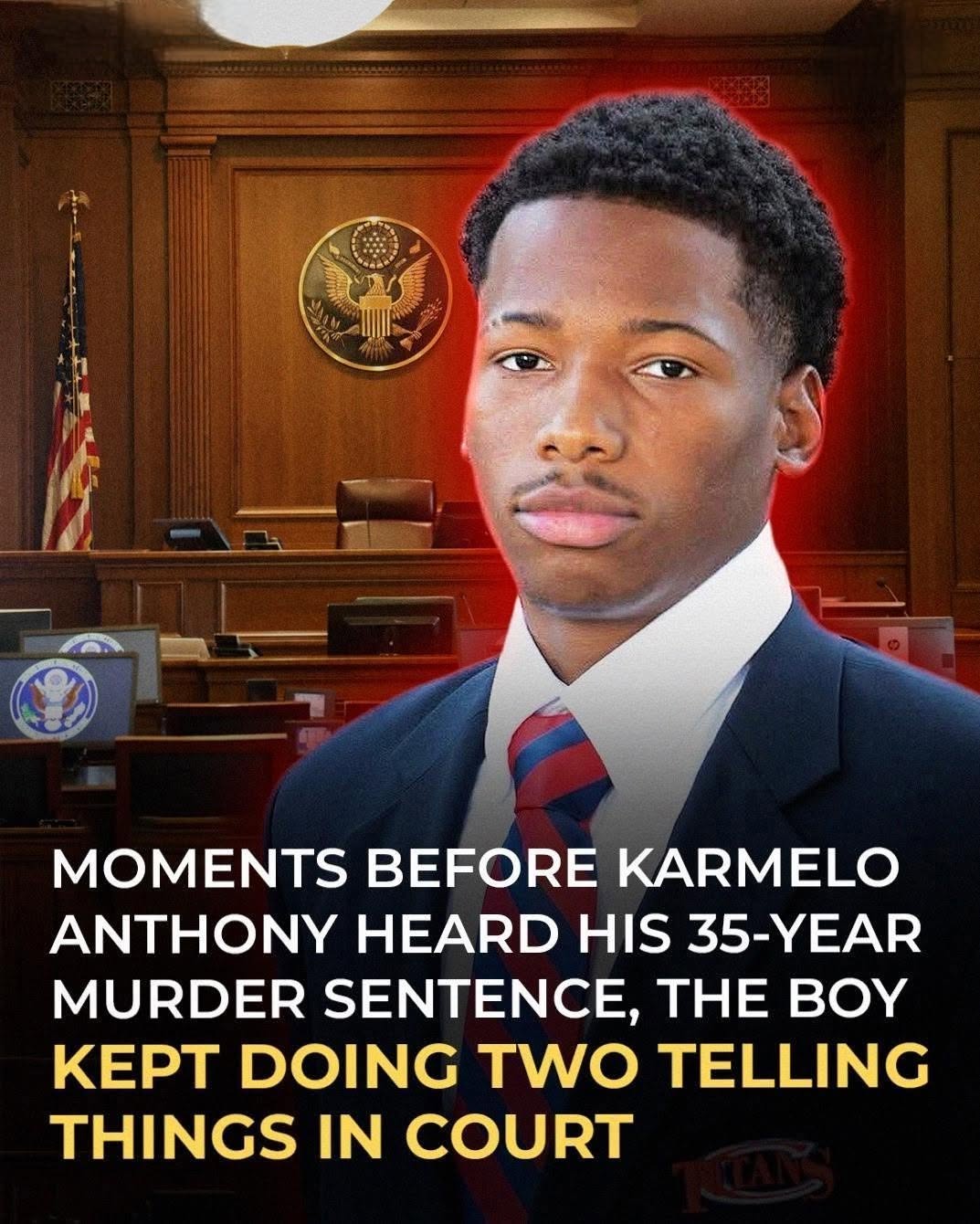
The jury ultimately rejected the defense’s claims and sentenced Karmelo to thirty-five years in prison. The decision underscored the lasting consequences of a brief, irreversible act of violence.