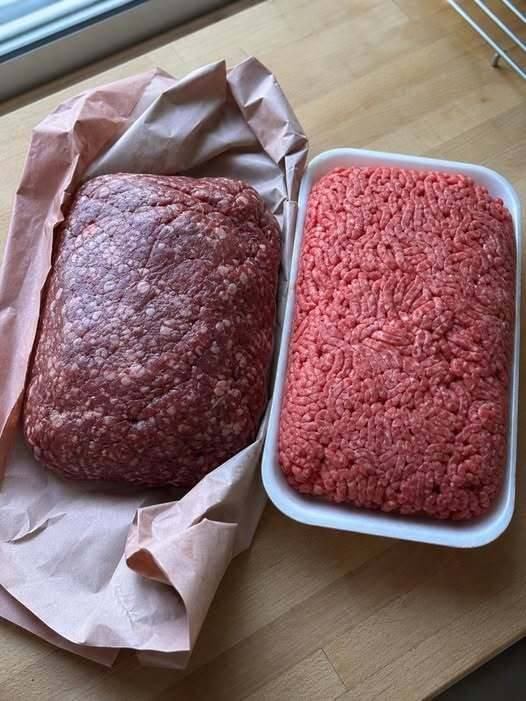
As more consumers pay attention to food quality, many have started learning small details that can reveal a lot about packaged meat before it ever reaches the checkout line.
While appearance alone cannot guarantee quality, certain warning signs may help shoppers make more informed choices.
Check the Packaging Carefully
One of the first things experts recommend is examining the package itself.
Watch for:
- Excess liquid pooled inside the tray
- Torn or loose plastic wrapping
- Discolored spots
- Puffy packaging caused by trapped gas
- Strong odors when opened
A small amount of liquid is normal in some products, but excessive moisture may affect texture and cooking results.
Pay Attention to Color
Many people assume brighter red meat always means fresher meat, but color can sometimes be misleading.
Some packaged meats are exposed to oxygen or specific packaging methods that preserve a vivid appearance longer than expected. That does not automatically indicate poor quality, but shoppers should understand that color alone is not always a reliable freshness test.
Instead, experts suggest looking for:
- Even coloring
- Minimal gray or brown patches
- Consistent texture
- Proper refrigeration
Fresh poultry should also appear moist but not slimy.
Read Labels More Closely
Food specialists encourage consumers to slow down and read labels carefully instead of relying only on branding or packaging design.
Important details may include:
- Country of origin
- Processing location
- Added solutions or flavorings
- Water or sodium content
- “Previously frozen” notices
- Blend or mixed-source information
Some packaged meats contain added saltwater solutions intended to improve tenderness or shelf life. While legal and safe, these additions can sometimes change flavor, texture, and cooking behavior.
Why Local Butchers Still Appeal to Many Buyers
In response to growing concerns about transparency, some shoppers have returned to buying meat from local butcher shops or smaller suppliers.
Many customers appreciate being able to ask direct questions about:
- Sourcing
- Farming practices
- Freshness
- Processing methods
- Recommended cooking techniques
Smaller operations may also process meat in lower volumes, allowing for closer quality control.
That said, large supermarkets still remain safe and highly regulated overall. The issue for many consumers is not safety alone, but consistency and trust.
Understanding the Modern Food Supply Chain
Today’s supermarket supply chains are far more complicated than many people realize.
A single package of meat may involve:
- Multiple farms
- Processing centers
- Distribution facilities
- Transportation systems
- Packaging companies
- Regional warehouses
Because products move through so many stages before reaching store shelves, maintaining complete consistency can become difficult.
That complexity is one reason food labeling and transparency have become increasingly important topics among both regulators and consumers.
A Growing Focus on Transparency
As shoppers become more informed, companies are facing greater pressure to provide clearer information about sourcing and quality standards.
Many consumers now want to know:
- Where their food comes from
- How animals were raised
- Whether products were processed locally
- What additives may be included
- How long products traveled before sale
This shift reflects a broader trend toward transparency in modern food production.
Ultimately, most shoppers are not expecting perfection.
They simply want honesty, consistency, and confidence that the product inside the package matches what the label promises.
Why Consumer Awareness Is Becoming More Important
Food experts say one of the biggest changes in recent years is the growing awareness among everyday shoppers. People are paying closer attention not only to prices, but also to quality, sourcing, and how food behaves once it reaches the kitchen.
Social media and online communities have accelerated those conversations. When customers notice unusual textures, excessive moisture, or inconsistent quality, they often share their experiences publicly. As similar stories spread, more shoppers begin comparing their own experiences and asking questions they may not have considered before.
This increased awareness has encouraged many stores and suppliers to reevaluate packaging methods, sourcing standards, and customer communication.
The Difference Between Safety and Quality
One important point emphasized by food specialists is that quality concerns do not necessarily mean a product is unsafe.
Government food safety regulations remain strict in most major supermarket systems. Products sold through regulated stores still undergo inspection and monitoring designed to prevent contamination and protect public health.
However, shoppers often notice differences involving:
- Flavor
- Tenderness
- Texture
- Water content
- Freshness consistency
- Appearance after cooking
For many families, these differences matter because they affect meal planning, cooking results, and overall value for money.
A package may technically meet safety standards while still disappointing customers expecting higher quality.
Why Meat Sometimes Releases Excess Water
One common complaint involves meat shrinking dramatically or releasing large amounts of liquid during cooking.
Several factors may contribute to this:
- Natural moisture loss
- Freezing and thawing processes
- Added solutions or brines
- Packaging methods
- Lower-grade cuts with higher retained water content
When excessive moisture escapes during cooking, meat may steam instead of properly browning, affecting both texture and flavor.
That is one reason some home cooks feel products no longer cook the same way they remember from years ago.
Tips for Smarter Grocery Shopping
Consumer advocates often recommend a few practical habits that may help shoppers feel more confident when buying meat products.
Shop Earlier in the Day
Many stores restock fresh products during morning hours. Shopping earlier can sometimes provide better selection and fresher inventory.
Compare Different Brands
Trying different suppliers may help identify which products consistently meet your expectations for quality and flavor.
Look at Expiration Dates Carefully
Even if products remain within safe sale windows, choosing packages with later dates may improve freshness.
Inspect the Packaging
Avoid packages with excessive liquid, damaged seals, or uneven coloring.
Don’t Ignore Your Instincts
If something about a product looks or smells unusual, many experts recommend choosing another package.
The Rise of Transparent Food Labels
As consumer demand for clarity grows, some brands have started emphasizing transparency more aggressively.
Many now highlight:
- Farm sourcing information
- Minimal processing
- No added solutions
- Humane farming certifications
- Local production partnerships
- Traceability programs
These labels appeal to shoppers seeking reassurance about what they are purchasing.
Some grocery chains have also introduced QR codes that allow customers to view sourcing details directly from their phones.
Why Trust Matters So Much
At the center of the conversation is something simple: trust.
People buy groceries expecting the label to accurately represent the product inside. When customers feel uncertain about quality or sourcing, confidence in the entire shopping experience can weaken.
For families balancing budgets, planning meals, and feeding children, consistency matters. They want products that cook predictably, taste fresh, and match expectations.
That is why discussions about transparency continue gaining attention.
Most consumers are not demanding luxury products or perfection. They simply want reliable information and honest labeling so they can make informed choices for themselves and their families.
And as awareness continues growing, supermarkets and suppliers may face increasing pressure to provide exactly that.


