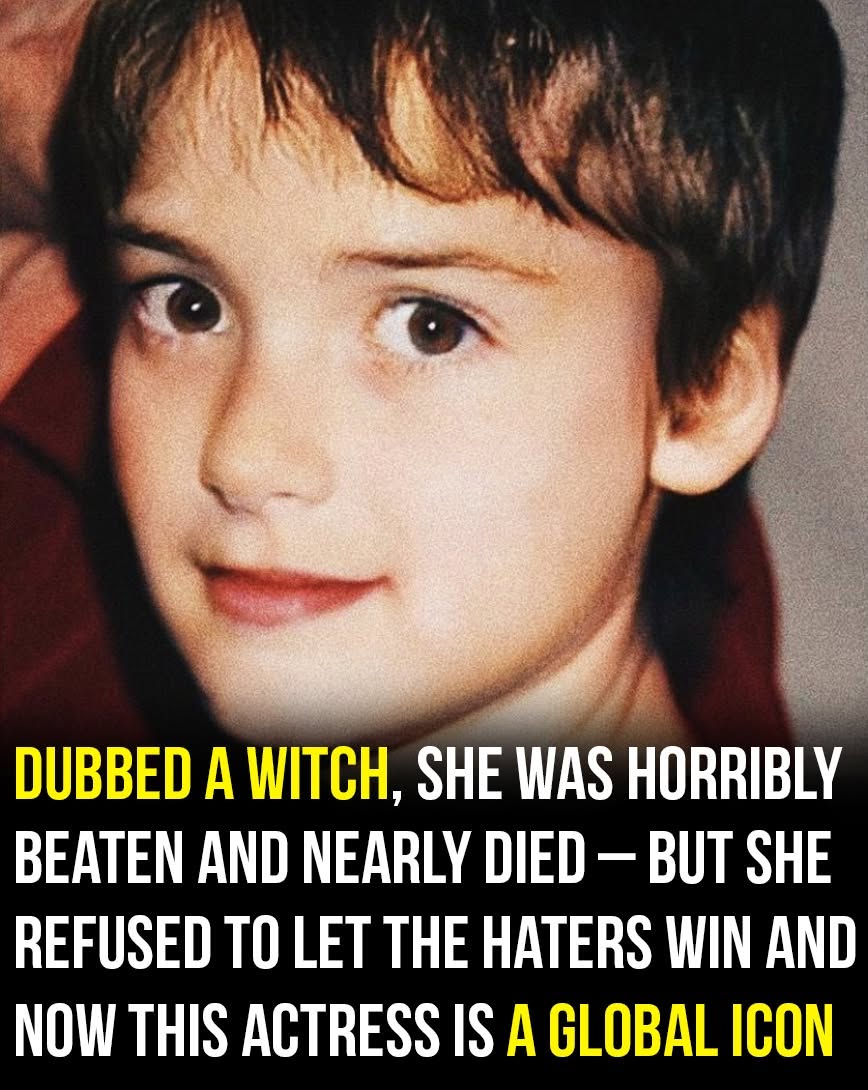
Winona Ryder’s story is not a glossy Hollywood rise; it’s a survival narrative threaded through trauma, fear, and quiet resilience. From a childhood shadowed by Holocaust horrors and a near-fatal drowning, she carried aquaphobia, anxiety, and depression into an industry that often demanded her pain on cue. Bullied for how she looked, beaten for who others decided she was, she somehow transformed those wounds into performances that defined an era.
Her fame faded, scandals hit, and the industry moved on—until she refused to disappear. With Stranger Things, she didn’t just “come back”; she reclaimed the narrative, embodying a mother who will walk through hell for her child, mirroring the terror and tenacity she’d known all her life. Today, at 54, Winona stands as something far more powerful than a ’90s icon: proof that a life nearly cut short can still become a lifeline for others.