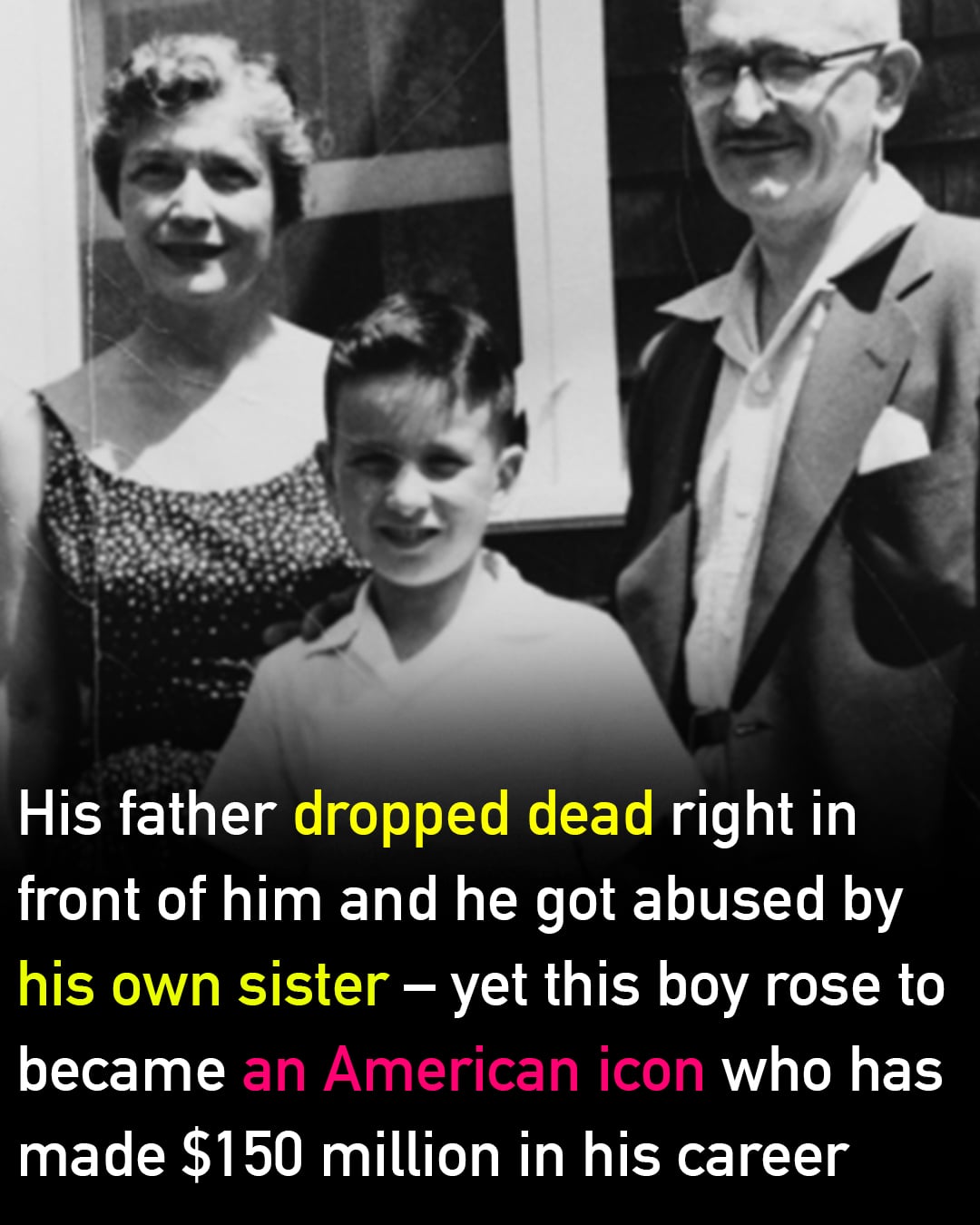
The day his father died, the world didn’t just wound Don McLean; it split in half. That grief, mixed with guilt he could never fully explain, hardened into the quiet center of his life. Asthma kept him apart from other kids, but isolation became training—each breath, each note, a way to control what had once felt uncontrollable. Rejection from the music industry came in waves, more than seventy “no’s” before anyone cared to listen. But he had already survived worse. Endurance was a language he knew.
When “American Pie” finally arrived, it wasn’t just a song—it was a reckoning. A long, cryptic hymn about loss and the end of innocence, written by a man who had watched his own childhood vanish in an instant. The world heard a mystery to decode; he heard a life finally making sense. His later years, marked by broken relationships and painful accusations, complicated his image but not his impact. The contradiction remains: a man scarred by violence who gave the world songs of astonishing tenderness. His legacy lives in that tension—where devastation becomes melody, and a shattered boy’s sorrow turns into something that helps strangers carry their own.