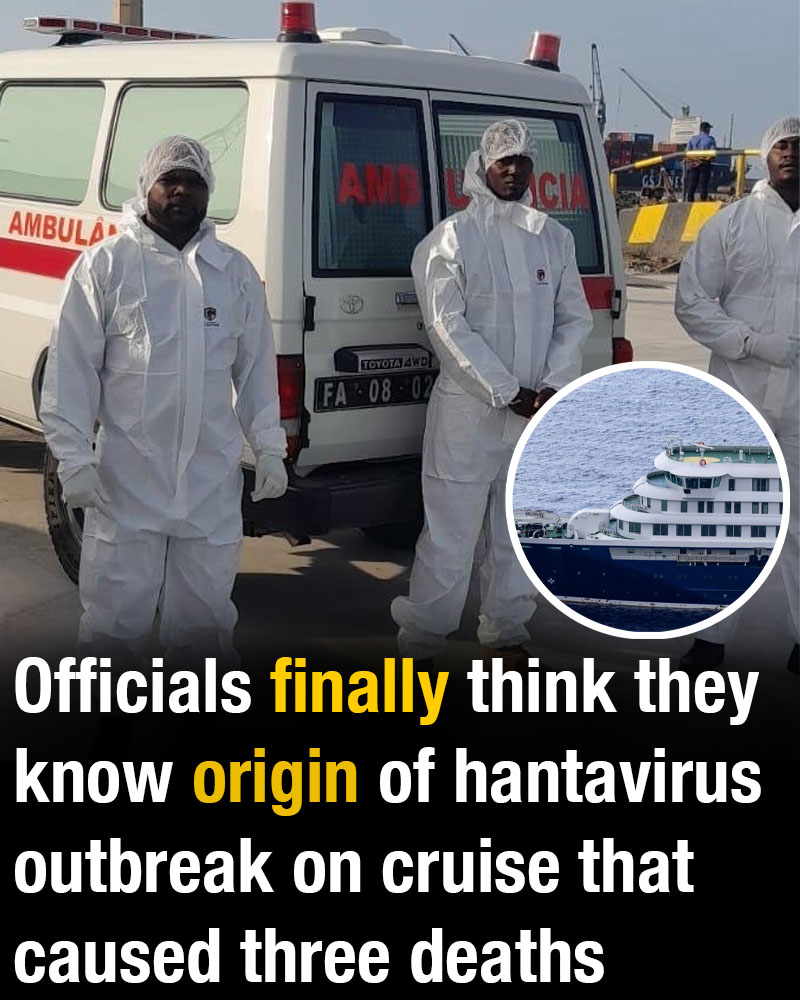
What began as an idyllic voyage through the southern tip of Argentina turned into a floating nightmare, as the rare and deadly Andes strain of hantavirus silently moved from cabin to cabin. The suspected source — a simple birdwatching excursion to a landfill near Ushuaia — now reads like a grim warning about how fragile safety can be in a hyper-connected world. A Dutch couple, likely exposed to rodent-contaminated dust, may have unknowingly carried the virus back onboard, transforming a cruise ship into a quarantine zone and leaving more than 150 people trapped in fear off Cape Verde.
Though experts insist this is not the next global pandemic, the death rate and human cost are chilling. The outbreak has become a stark reminder that even in an age of instant information and modern medicine, a single moment of contact in a forgotten corner of the world can redraw the line between adventure and catastrophe.