Arthur’s collapse turned our marriage from a scandal into a battlefield. While his daughter lunged for documents, I knelt on the carpet begging him to breathe. His last clear words to me – “Eleanor’s Bible. Read it.” – became my shield. Hidden between its pages were Eleanor’s letters, proof that she understood everything and feared her own niece more than the nursing home she was being pushed toward. In court, those fragile pages spoke louder than any accusation.
Vivien’s lawyers called me a predator. The judge called me something else: guardian. For Eleanor. For Arthur’s legacy. For my own son. Noah’s scar faded as Arthur slipped away that winter, and our lives slowly rebuilt themselves around the quiet rituals of care, tea in the sunroom, and the weight of a responsibility I had never asked for but refused to abandon.
When the estate finally settled, the money didn’t feel like a reward. It felt like a command: do more than survive. So I did what the terrified girl in the hospital hallway could never have imagined. I created a foundation in Arthur and Eleanor’s names to pay for surgeries like Noah’s, for mothers like me who are told that saving their child is a luxury they can’t afford.
People still tilt their heads and ask if I married for money, as if the answer could fit into a headline. I tell them I married to save my son, and somehow, in the wreckage of that desperate bargain, Arthur saved us back. He rescued Eleanor from being warehoused and forgotten. He pulled me out of a life spent begging at closed doors and handed me the keys to open new ones for others.
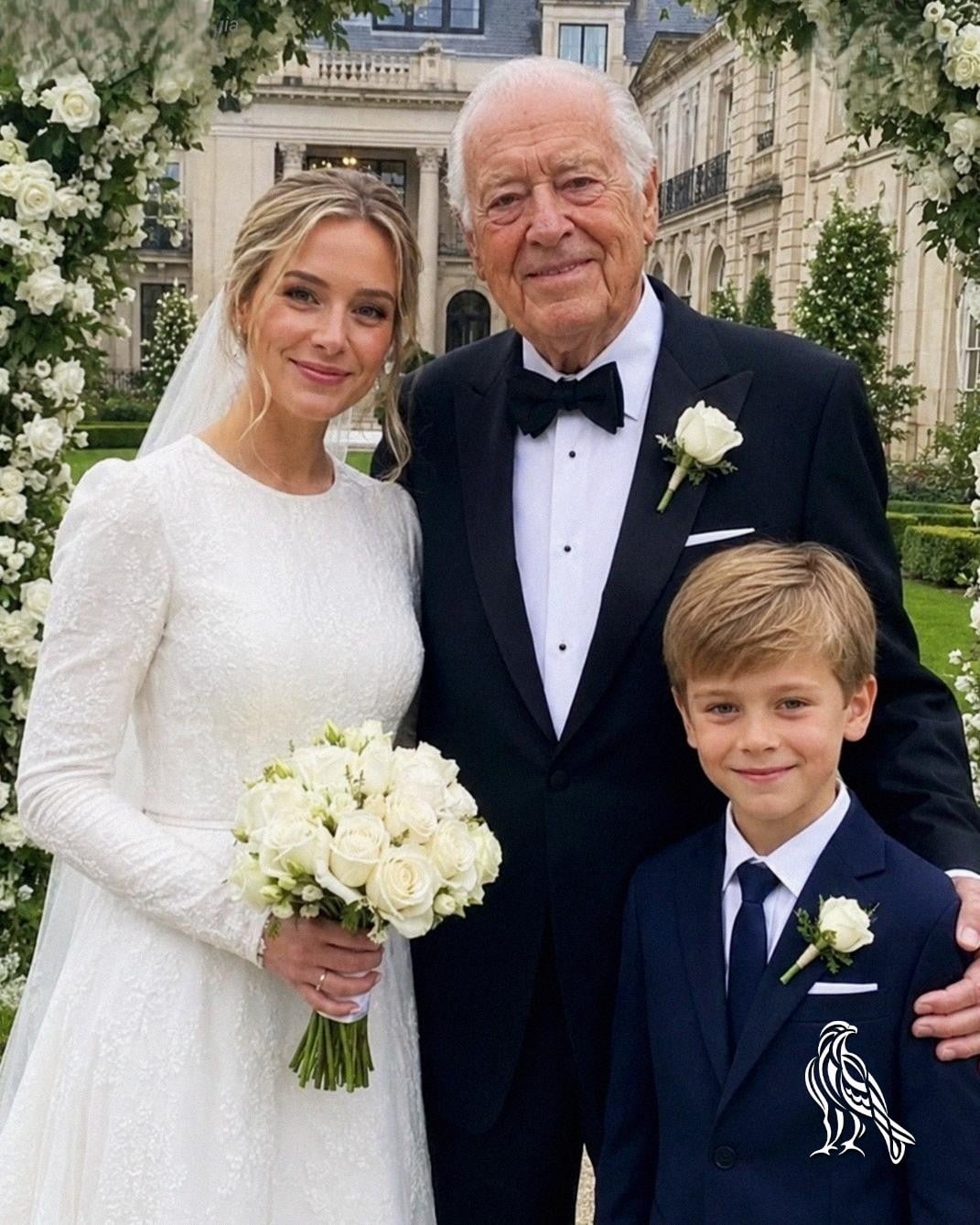
Looking back, survival did look like surrender. It looked like an ivory dress I didn’t choose, reporters at the gate, and a signature that felt like a confession. But the thing I thought would mark me forever as the woman who sold herself became the reason I finally learned I was worth more than my fear.