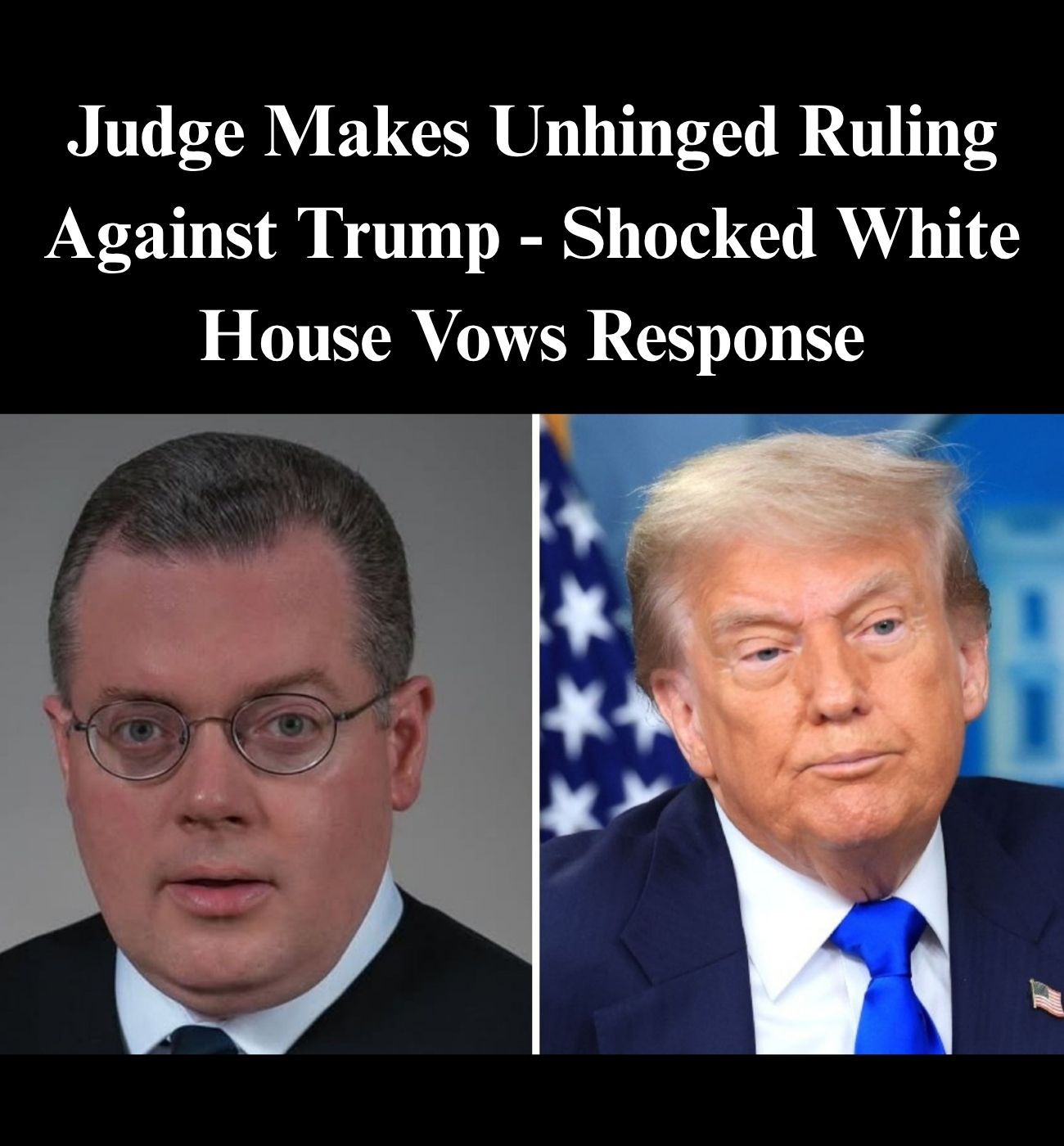
A federal judge on Friday blocked plans to temporarily close the Kennedy Center for a lengthy renovation and ruled that the center’s board lacked the authority to rename the historic institution after President Donald Trump.
U.S. District Judge Casey Cooper of the DC District, an Obama appointee, ruled that the law creating the Kennedy Center makes clear the facility is a memorial to President John F. Kennedy and that only Congress has the authority to change its name.
“Congress gave the Kennedy Center its name, and only Congress can change it,” Cooper wrote in a 94-page opinion.
The ruling orders Kennedy Center officials to remove signage bearing Trump’s name and eliminate references on the center’s website to the “Trump Kennedy Center” or the “Donald J. Trump and John F. Kennedy Memorial Center for the Performing Arts.”
Cooper gave officials two weeks to comply with the order.
The judge also permanently barred the center from displaying physical or digital signage that suggests the institution is named after anyone other than Kennedy.
The decision represented a significant setback for efforts backed by Trump and his allies to reshape the direction of the nation’s premier performing arts venue.
Shortly after the ruling, Trump indicated he was backing away from the dispute and suggested Congress should assume greater responsibility for the institution.
“I have instructed the Department of Commerce to make all necessary arrangements with Congress to allow a full and complete transfer of this Institution, giving them the responsibility for its Operation, Maintenance, and Management,” Trump wrote on Truth Social.
Trump added that he had “no interest in continuing” under the current circumstances.
The court also blocked the center from proceeding with plans to temporarily close the facility for a major renovation project.
Cooper said the board failed to properly consider its legal obligations before approving a closure that would halt operations at the institution.
“There is no evidence that the Board took account of its full range of statutory obligations in determining that a wholesale shuttering of the Kennedy Center was appropriate,” Cooper wrote.
The judge noted that board members appeared to have received limited information before voting on the proposal and questioned whether the trustees had a meaningful opportunity to evaluate alternatives.
Kennedy Center officials said they plan to appeal the ruling.
“We are confident that on appeal the court will uphold the board’s will to recognize President Trump’s historic contributions to our nation’s cultural center,” Kennedy Center Vice President of Public Relations Roma Daravi said in a statement.
Daravi also stressed that the building still requires significant repairs and upgrades.
According to officials, planned work includes infrastructure improvements, HVAC modernization, drainage repairs and upgrades to theater seating.
The lawsuit was brought by Democratic Rep. Joyce Beatty of Ohio, who serves as an ex-officio member of the Kennedy Center board.
Beatty challenged both the renaming effort and the decision to close the center for renovations.
“Today’s ruling rightly affirms that this administration’s efforts to rename and close the center have no basis in law,” Beatty said in a statement.
“The Kennedy Center is an institution that belongs to the American people, not to Donald Trump,” she said.
The dispute stems from actions taken after Trump became chairman of the board last year.
Under Trump’s leadership, the board approved plans to rename the institution and later voted to close the facility beginning July 7 for a planned two-year renovation.
Cooper’s ruling found that the closure process was flawed and suggested the outcome had effectively been predetermined before trustees formally voted, CNN reported.
“Trustees learned about the plan to close the center at the same time as the general public, by social media post,” Cooper wrote.
The judge added that board members were deprived of sufficient time and information to evaluate what he described as one of the most consequential decisions in the center’s history.


