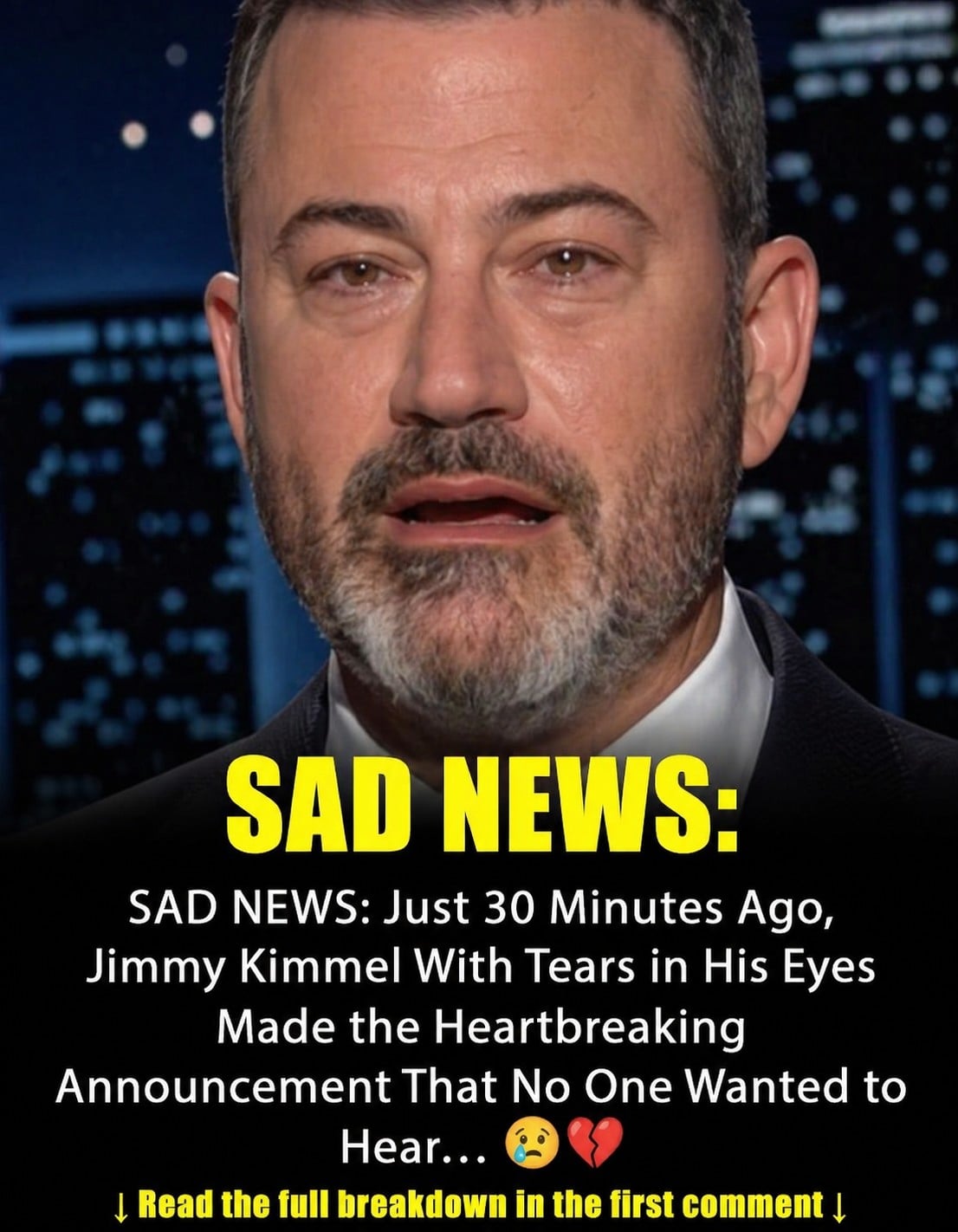
Kimmel’s unsteady voice marked a rare moment when late-night television dropped its armor. He wasn’t hiding behind sarcasm or a monologue; he was naming the people he believed would pay the price for Donald Trump’s win. Immigrants, the sick, the elderly, working families, partners overseas—he spoke of them not as abstractions, but as neighbors and faces he could see. The laughter that usually cushions political commentary was gone, replaced by a silence that felt almost sacred.
In that silence, his fear became a mirror. Viewers saw not just a celebrity’s politics, but a man grieving the loss of a version of America he thought most people agreed on: fairness, decency, protection for the vulnerable. Whether they shared his views or not, they witnessed something undeniable—a moment when entertainment surrendered to conscience, and a joke writer chose to stand, visibly shaken, on the fault line of a divided nation.