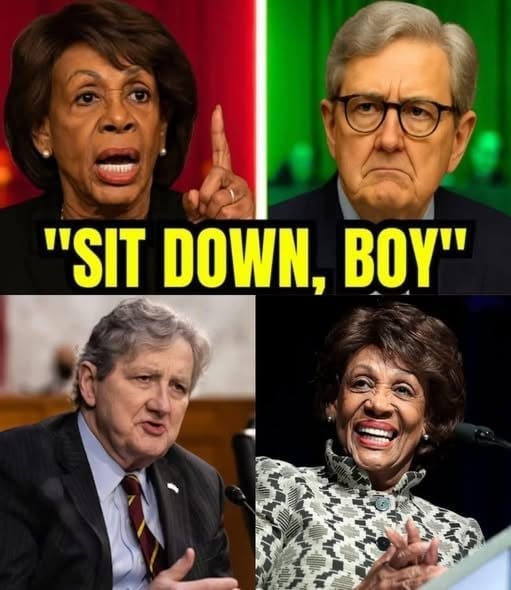
He could have met fire with fire. He didn’t. Kennedy’s refusal to lash out was not weakness; it was a deliberate reordering of the scene. By choosing a calm, almost disarming tone, he denied Waters the spectacle that would have turned both of them into caricatures. He refused the role of wounded victim or righteous brawler and instead claimed something rarer in that room: self-possession.
That moment traveled far beyond the committee walls because it forced an uncomfortable question on everyone watching: What kind of power do we really celebrate? The power to humiliate, or the power to absorb a blow without becoming it? In a country trained to cheer for the loudest voice, Kennedy’s restraint became a quiet referendum on dignity—and on the cost of winning by making someone else small.