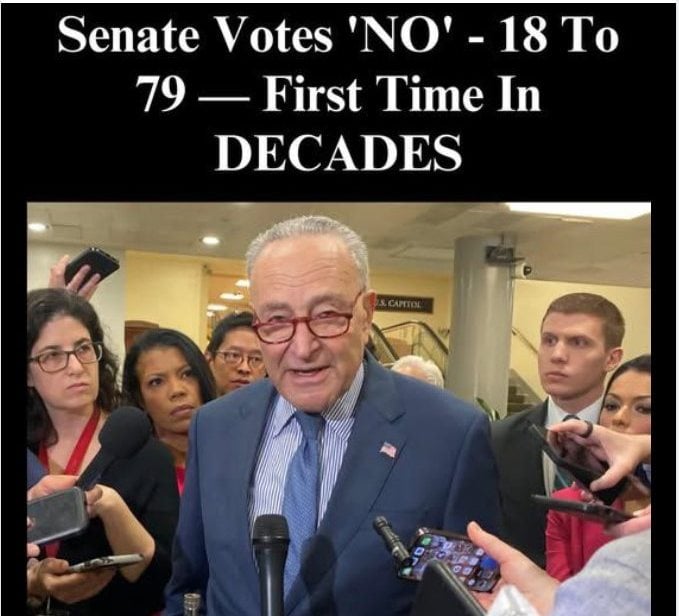
In the end, Sanders’ resolutions were never just about stopping tank rounds and bomb kits to Israel; they were a direct challenge to the moral and legal foundations of U.S. foreign policy. By accusing his own government of violating the Foreign Assistance Act and Arms Export Control Act, he forced colleagues to confront whether “ironclad” support for an ally can coexist with mounting evidence of civilian suffering and blocked humanitarian aid in Gaza. Most chose to look away.
Yet the same Senate that rejected Sanders moved briskly on: promoting Maj. Gen. John L. Rafferty Jr. to lead the Army Space and Missile Defense Command, and racing through nearly 100 Trump nominees in a display of raw institutional efficiency. The contrast is stark. When power, careers, and party agendas are on the line, the machine works flawlessly. When the question is whether American weapons are fueling alleged abuses abroad, the gears suddenly grind to a halt—and the status quo survives.