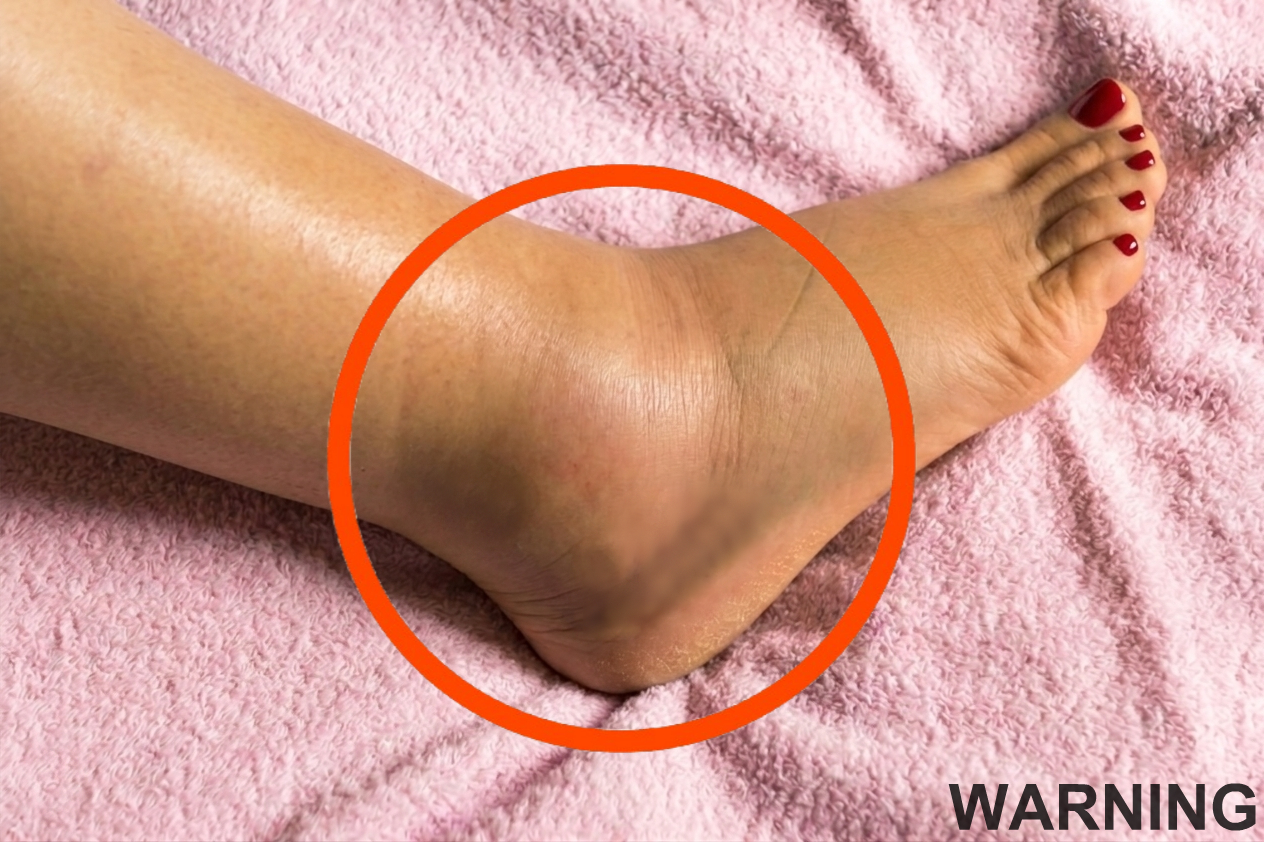
Swollen feet in older adults often begin with something simple: gravity, long hours of sitting, or shoes that don’t quite fit. But when fluid builds up day after day, it can point to poor circulation, weakened veins, or strain on the heart, kidneys, or liver. That’s why it’s so important not to dismiss swelling as a harmless part of aging, especially when it appears suddenly or feels different from usual.
Gentle walking, stretching, and elevating the legs can ease discomfort and help move fluid back toward the heart. Supportive shoes and compression socks reduce pressure and improve blood flow, while cutting back on salt and eating potassium-rich foods support healthier fluid balance. Yet lifestyle changes are only part of the picture. If swelling is severe, painful, or paired with chest pain, redness, or trouble breathing, medical care is urgent. Listening to your feet early can protect your independence, mobility, and long-term health.