
JUST IN: Trump Said “We Don’t Need Canada’s Lumber” — Now the U.S. Pays the Price!
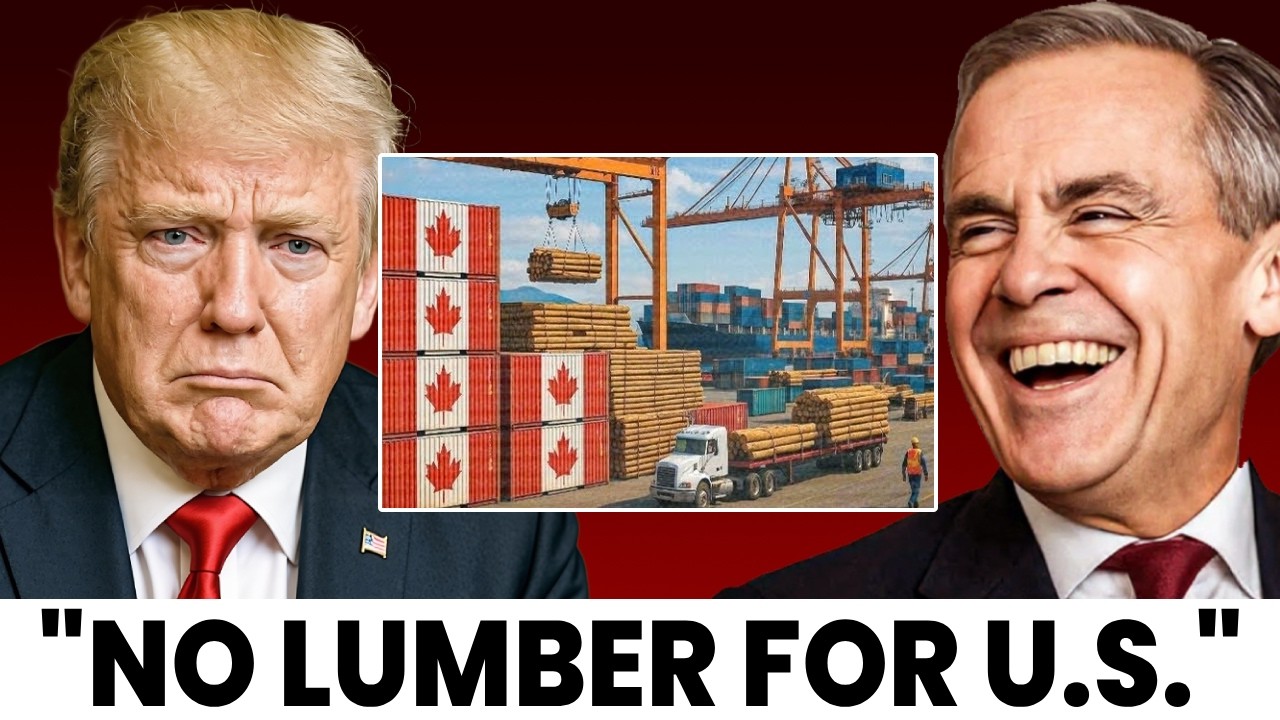
A Defiant Statement That Echoed Across Borders
When Donald Trump declared, “We don’t need Canada’s lumber,” it landed with the force of a political manifesto—sharp, confident, and unmistakably nationalistic.
The statement was designed to project strength, a signal that the United States could stand independently in one of its most essential industries. But behind the rhetoric, a far more intricate economic story was already unfolding, one that would test the limits of that assertion in real time.
Policy Meets Reality in the Lumber Market
The words did not remain symbolic for long. Within months, policy followed. A series of escalating tariffs—some exceeding 35% and climbing toward the mid-40% range—were imposed on Canadian softwood lumber. What had once been a stable cross-border trade flow quickly became volatile. These measures, framed as protection for domestic producers, instead triggered a cascade of unintended consequences that rippled through supply chains.
The Backbone of American Construction
Lumber is not merely another commodity; it is foundational to the American housing market. Nearly one-third of U.S. softwood lumber demand has historically been met through imports, with Canada supplying the overwhelming majority. This is not a marginal dependency—it is structural. Removing or restricting that supply does not simply shift the balance; it destabilizes it.
Rising Costs, Immediate Impact
As tariffs took hold, the effects were swift and measurable. Builders across the country began reporting higher input costs almost immediately. Even modest increases in lumber prices translated into thousands of dollars added to the cost of constructing a single home. In some cases, estimates suggested increases exceeding $10,000 per unit—figures that directly impacted affordability in an already strained housing market.
A Strained Construction Sector
Developers found themselves navigating a new and uncertain landscape. Projects that had been carefully budgeted months in advance were suddenly at risk. Some were delayed, others redesigned, and a number were abandoned altogether. The volatility introduced by tariff-driven price swings made long-term planning increasingly difficult, turning routine construction decisions into financial gambles.
The Limits of Domestic Expansion
The expectation that domestic production would surge to fill the gap encountered immediate constraints. The U.S. lumber industry, already operating near capacity, faced labor shortages, aging infrastructure, and regulatory hurdles. Expanding output was not a matter of months but years—if not decades. This created a critical mismatch between policy timelines and industrial reality.
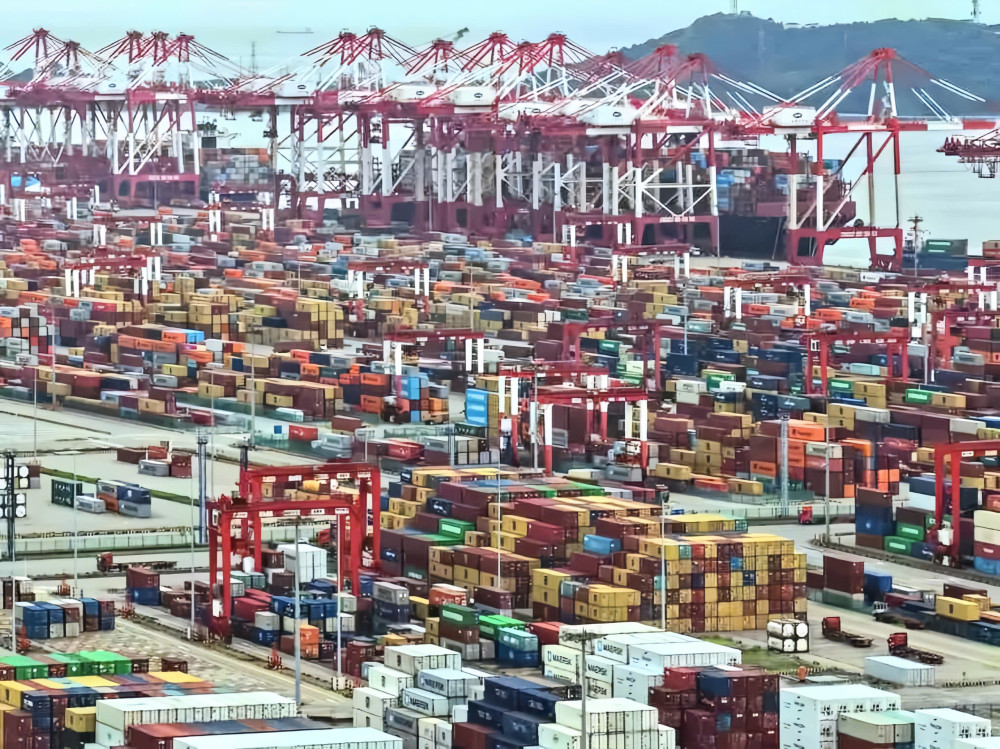
Inflationary Pressure Beyond Housing
The consequences extended far beyond homebuilding. Rising construction costs fed into broader inflationary trends, affecting rental markets, renovation projects, and public infrastructure. Lumber, as a core material, exerted influence across multiple sectors. What began as a targeted trade measure evolved into a widespread economic pressure point.
Canada’s Strategic Pivot
While the United States grappled with internal strain, Canada adapted. Rather than retreating, Canadian producers diversified. Exports shifted toward Asia, Europe, and emerging markets, reducing reliance on a single buyer. Investments in infrastructure and new trade relationships transformed what had been a regional supply chain into a global network.
A Changing Global Landscape
This diversification altered the dynamics of the lumber industry. Countries such as Japan and markets across Southeast Asia began absorbing greater volumes of Canadian timber. At the same time, Canada positioned itself as a leader in sustainable forestry and advanced wood products, aligning with global demand for environmentally responsible construction materials.

A Policy Reconsidered
As 2026 unfolds, the contrast is striking. The United States faces higher costs and tighter supply, while Canada expands its global footprint. The original premise—that independence would strengthen domestic industry—has been complicated by the realities of interconnected markets. The question now is no longer rhetorical but deeply practical: can economic policy override structural dependence, or does it merely redefine it at a higher cost?
The Broader Lesson
What this episode reveals is not simply a trade dispute, but a case study in modern economic interdependence. Decisions made at the highest levels of government do not remain abstract. They move through industries, reshape markets, and ultimately affect everyday life. In the case of lumber, the cost of separation has proven far more tangible—and far more complex—than the simplicity of a single statement once suggested.