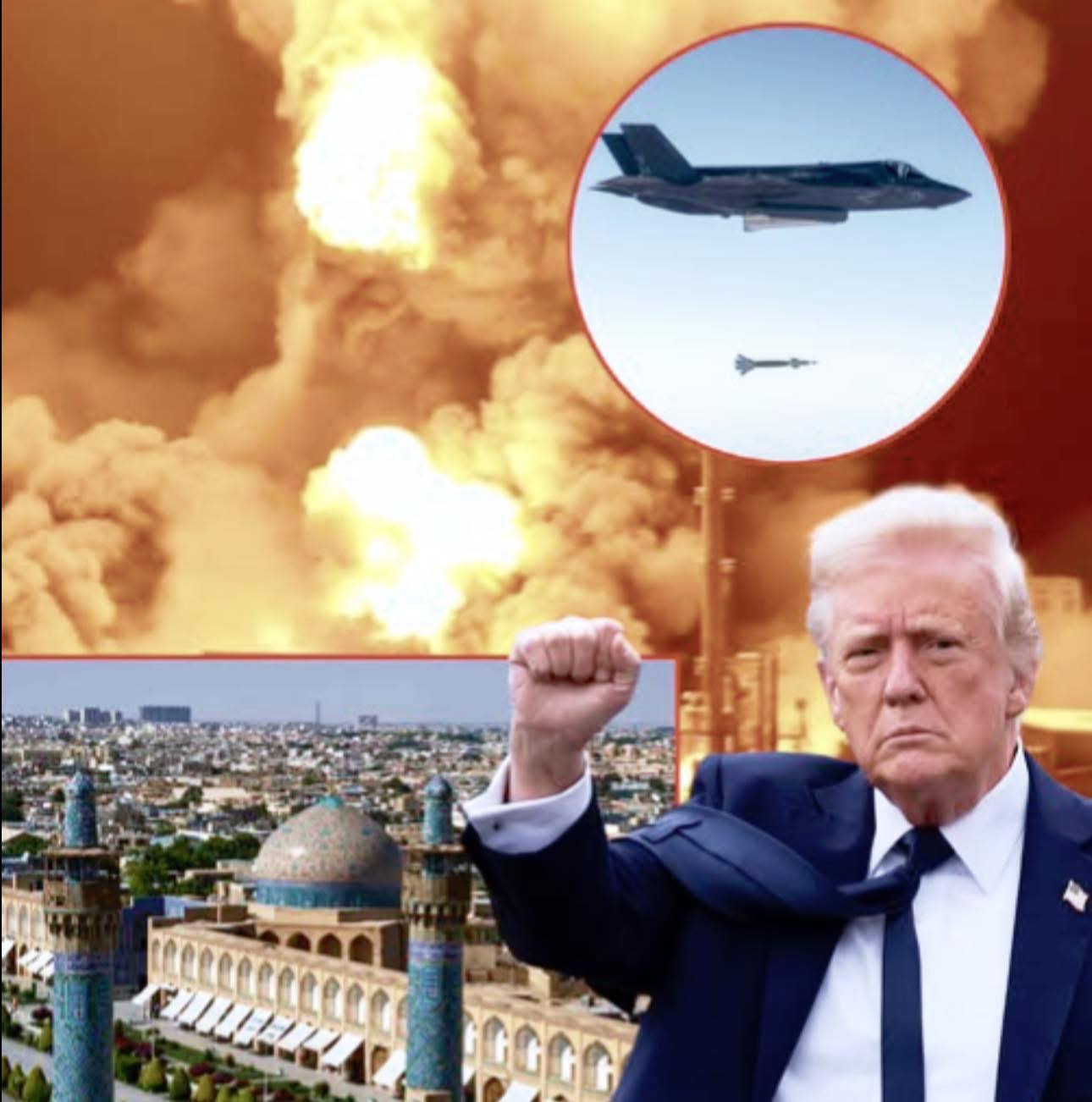
The article describes a major escalation in tensions between the United States and Iran, focusing on military actions taken during the Trump administration. It explains that after diplomatic talks over Iran’s nuclear program collapsed, the U.S. shifted toward more aggressive measures, including military strikes and increased military presence in the region.
As negotiations failed, both sides stood firm on their demands, leading to a breakdown in diplomacy. In response, the U.S. launched targeted strikes on Iranian military sites and took steps to limit Iran’s influence, particularly in key strategic areas like the Strait of Hormuz. These actions were intended to pressure Iran and prevent further development of its nuclear capabilities.
U.S. officials defended the decision, stating it was necessary for national security and regional stability. However, the move significantly raised tensions and the risk of a wider conflict. Iran strongly condemned the strikes and warned of possible retaliation, increasing fears of escalation.
The article emphasizes the potential global impact of the situation, especially on energy markets, as the Strait of Hormuz is a crucial route for oil transportation. It also highlights international concern, with some countries hesitant to support such actions.
Overall, the situation marks a serious and uncertain moment in global politics.