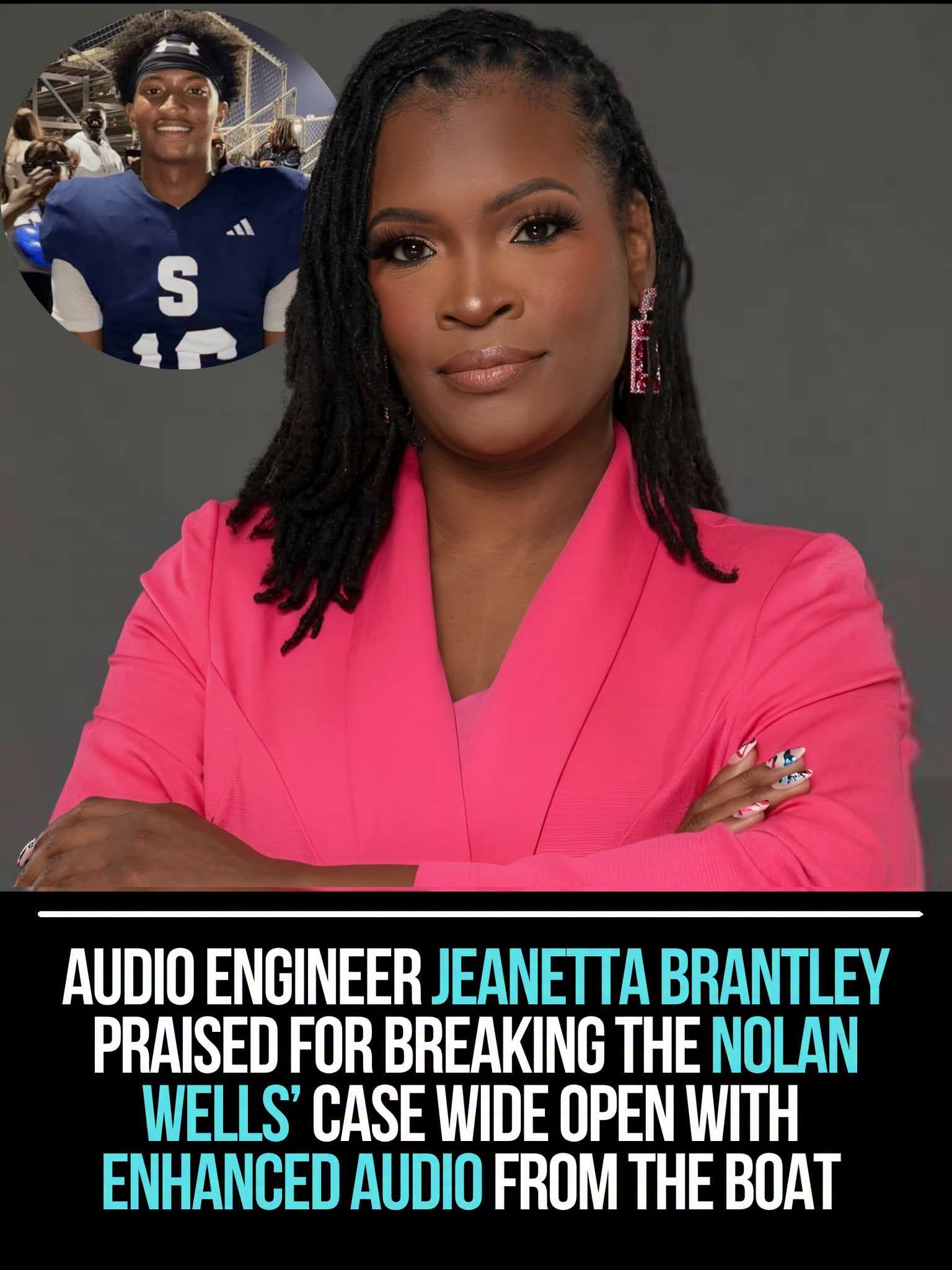
As the investigation into the death of Nolan Wells continues, a newly enhanced audio recording has reignited public debate and intensified scrutiny surrounding the case.
Independent audio engineer Jeanetta Brantley has gained widespread attention after enhancing audio from a boat recording that has been circulating online. According to supporters, the recording appears to capture Nolan’s friends saying, “He’s dead,” while pleading with him to wake up. The enhanced version has quickly spread across social media, prompting renewed discussion about what may have happened in the moments surrounding Nolan’s death.
Many supporters believe Brantley’s work has encouraged the public to take another look at details they feel may have been overlooked, while others argue that the recording raises important investigative questions that deserve closer examination.
However, the audio has also sparked controversy. Social media has become divided, with some users demanding arrests based on what they believe they hear in the recording, while others have shifted their focus to Brantley’s alleged past history rather than the enhanced audio itself.
What Audio Enhancement Can—and Can’t—Do
From a forensic audio perspective, audio enhancement is intended to improve the clarity of an existing recording by reducing noise and making speech easier to hear. It does not create new sounds or establish facts that were not already present in the original recording.
Experts caution that while enhanced recordings can provide valuable investigative leads, any conclusions drawn from them must still be evaluated alongside witness testimony, physical evidence, digital records, and other independently verified information before investigators—or a court—can rely on them.
Public Pressure Continues to Grow
As online interest in the Nolan Wells case continues to grow, many supporters are calling for investigators to thoroughly examine every available piece of evidence, including the enhanced recording. Others have questioned whether law enforcement had access to similar audio earlier in the investigation. At this time, there is no verified public evidence that authorities possessed the enhanced recording or deliberately concealed it.
With the investigation still ongoing, many questions remain unanswered, and the release of the enhanced audio has only intensified public interest in finding out what really happened.