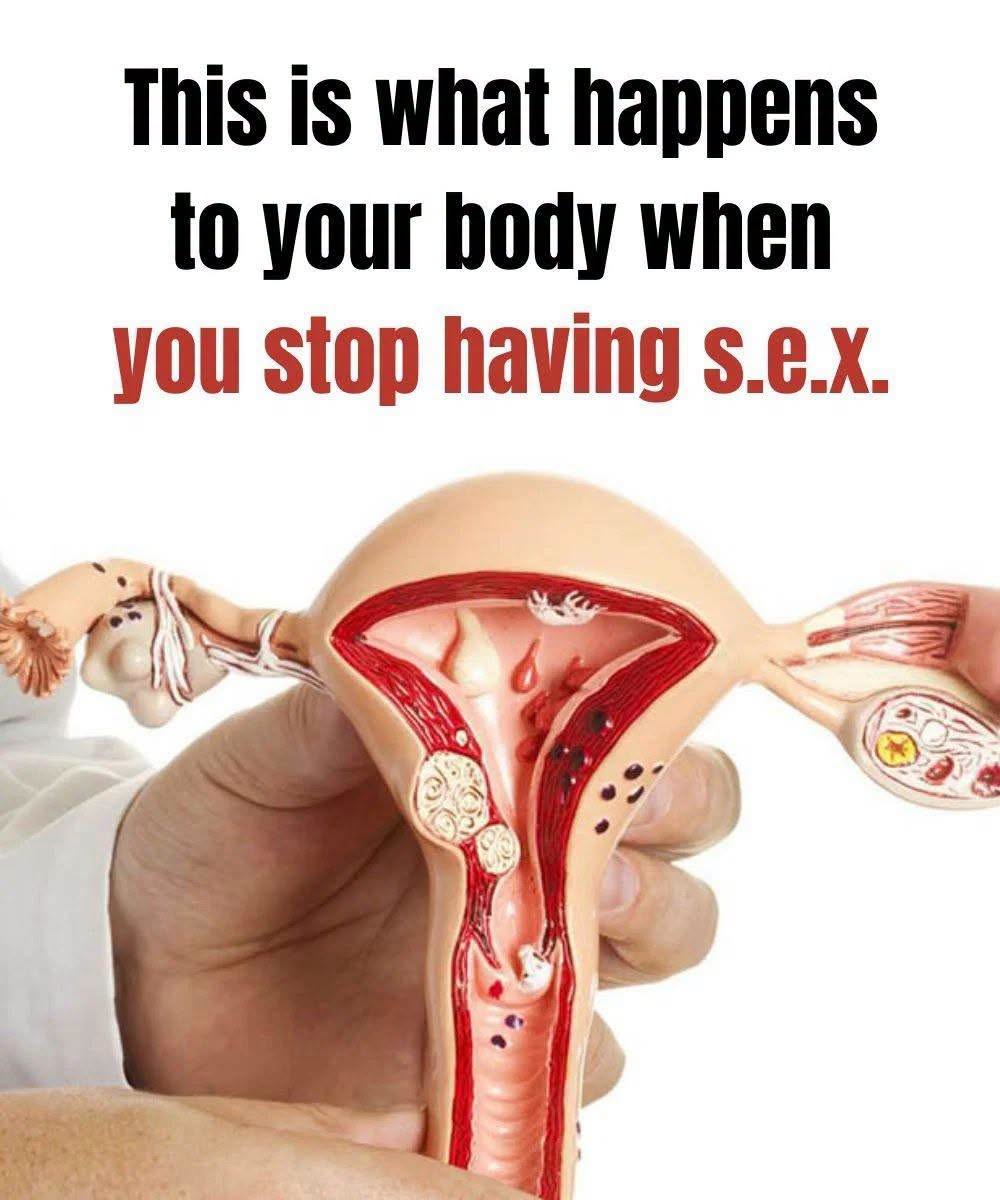
Intimacy in later life is not only about sex; it is about being seen, held, and emotionally met. When that begins to fade, the body responds. Hormones that once soothed stress and lifted mood are released less often. Sleep grows lighter, muscles hold more tension, and the immune system quietly weakens under the weight of unspoken loneliness. People may not always connect these changes to a lack of closeness, but the nervous system feels the difference.
Yet this story does not have to end in quiet disconnection. Intimacy can be rebuilt in gentler, more adaptable forms: a hand held during a walk, shared laughter over routine moments, honest conversations that say, “You still matter.” Friendships, family bonds, and new partnerships can all provide nourishing contact. Aging may reshape intimacy, but it does not have to erase it. The need to feel wanted, safe, and connected remains—and honoring that need can transform how we grow old.