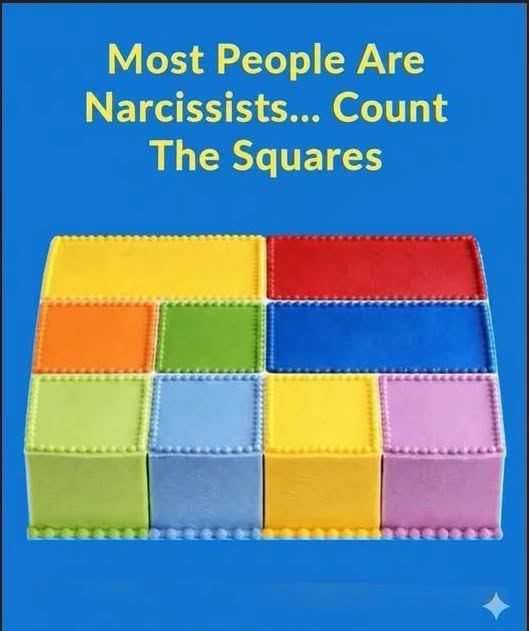
What makes the puzzle so unsettling isn’t the geometry; it’s the realization that we don’t see as clearly as we think. One person only counts the obvious top squares. Another insists on including imagined hidden layers. Each is convinced their method is “right,” yet few ever pause to define the rules before arguing about the result. The conflict is less about math and more about identity.
Captions that bait with “most people are narcissists” inflame this further, turning curiosity into combat. People defend their first answer as if admitting uncertainty were a personal failure. In that emotional scramble, confirmation bias and selective attention quietly take over. The real value of the puzzle lies in resisting that impulse: slowing down, clarifying assumptions, and listening to other perspectives. In doing so, a trivial image becomes practice for every complex, ambiguous problem we face beyond the screen.