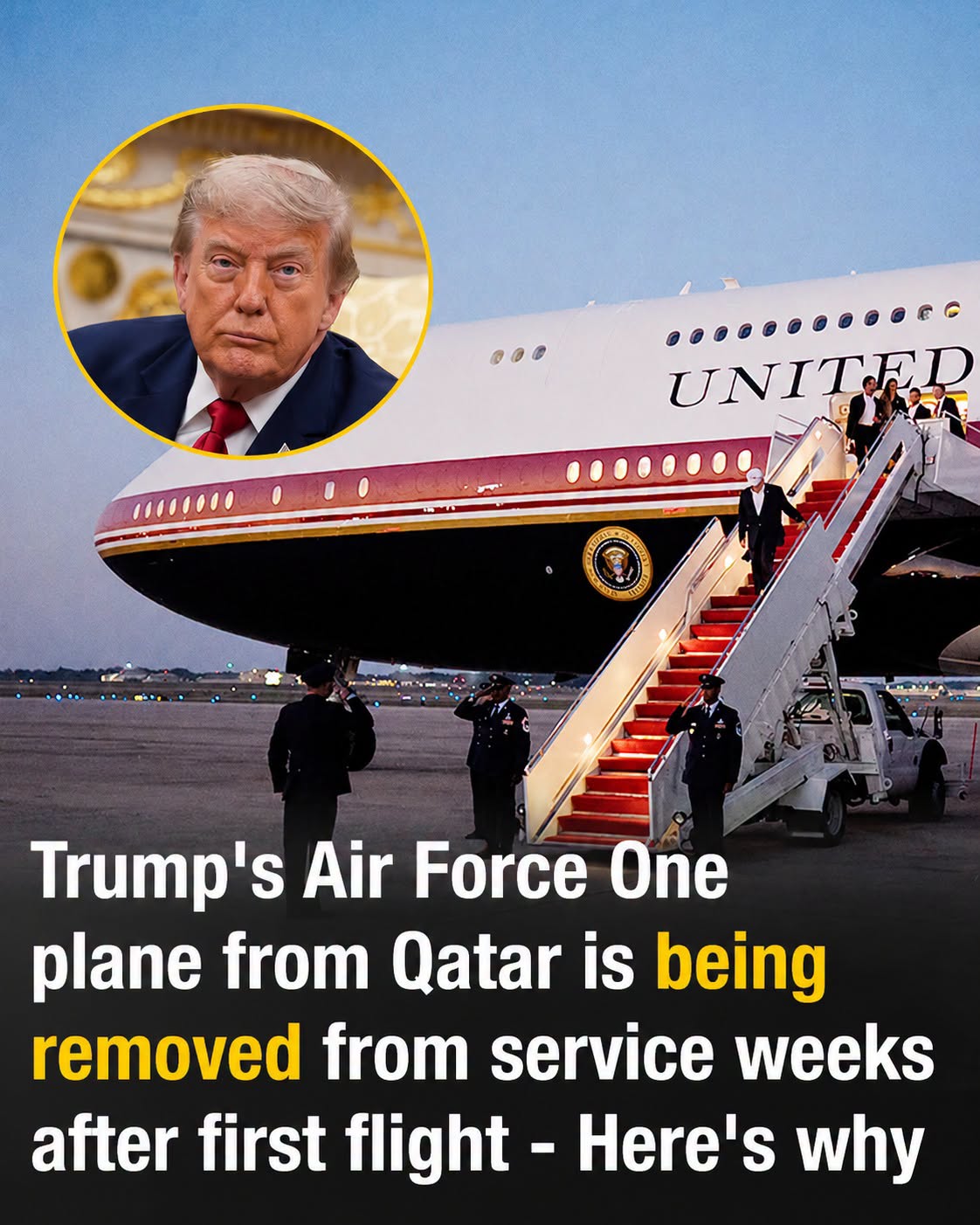
Donald Trump’s gleaming “flying palace” was meant to symbolize dominance: a $400 million Boeing 747, reborn as Air Force One, gifted by a wealthy Gulf monarchy and rushed into service for a triumphant July 1 trip to North Dakota. Trump reveled in the optics, calling it “maybe the greatest commercial plane ever built,” turning the tarmac into a stage and the jet into a character in his own political drama. But within weeks, the narrative twisted.
Questions over missing or incomplete anti‑missile defenses and other hardened systems collided with constitutional unease about accepting such an extravagant foreign gift. The White House framed the sudden withdrawal as routine “maxing out” of capabilities, a necessary pause to meet “the highest possible standards.” Yet as Trump quietly returns to an aging predecessor aircraft while the Qatari jet disappears into another round of secretive modifications, the symbolism lingers: a presidency caught between spectacle and security, prestige and vulnerability, trapped in the turbulence where ethics, power, and optics violently meet.