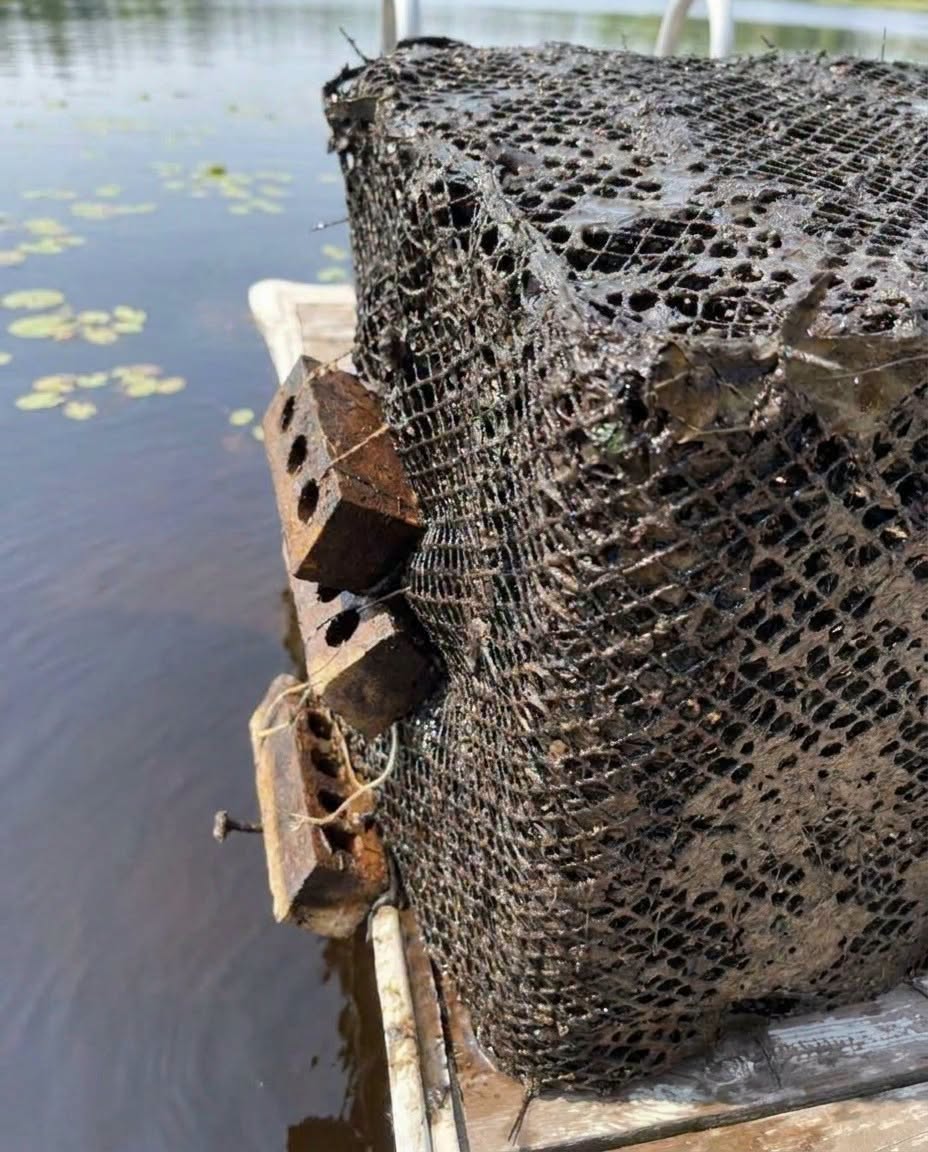
Long before modern gear and high-tech fish finders, anglers discovered that if you built shelter, life would come. Those rough log-and-rock cribs, dropped through winter ice or sunk from small boats, turned barren bottoms into nurseries. Algae grew, insects followed, then fry swarmed in to hide, feed, and grow. What began as a way to catch more fish slowly reshaped how people thought about their lakes: not as endless resources, but as fragile systems that needed help to heal.
Over time, fish cribs became stories as much as structures. Families returned to the same quiet coves, teaching kids not just how to cast, but why those unseen shelters mattered. Communities gathered to build and sink new cribs, trading solitary luck for shared stewardship. Today’s PVC and mesh designs may look different, but the promise is the same: if we care for what’s below the surface, the tug on the line will always return—and so will we.