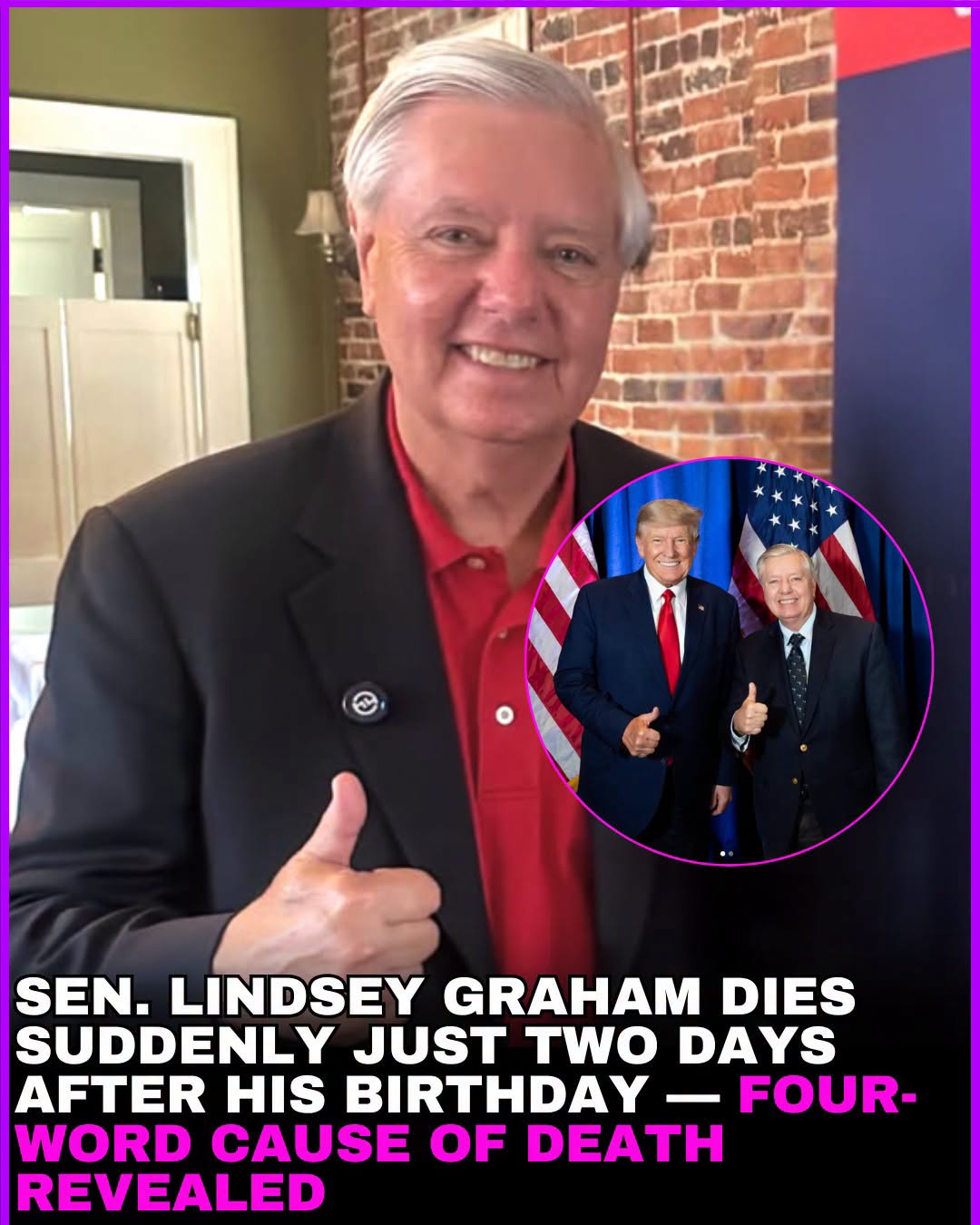
He began as a small-town lawyer and Air Force JAG, a son of South Carolina who turned courtroom discipline into political stamina. Three decades later, he died in the heart of Washington, a figure who had shaped wars, budgets, and alliances from a Senate seat he seemed almost fused to. His hawkish foreign policy and unflinching defense of a muscular American presence abroad made him a go-to voice in moments of global crisis, whether in the Middle East, Eastern Europe, or beyond.
Yet his legacy is tangled with transformation. Once a sharp-tongued critic of Donald Trump, he evolved into one of Trump’s fiercest defenders, standing beside a president he had publicly opposed. That pivot defined his final years and divided even his admirers. Still, from Kyiv to Jerusalem to Columbia, leaders now speak of a man whose absence leaves a strategic and emotional void that no successor can immediately fill.