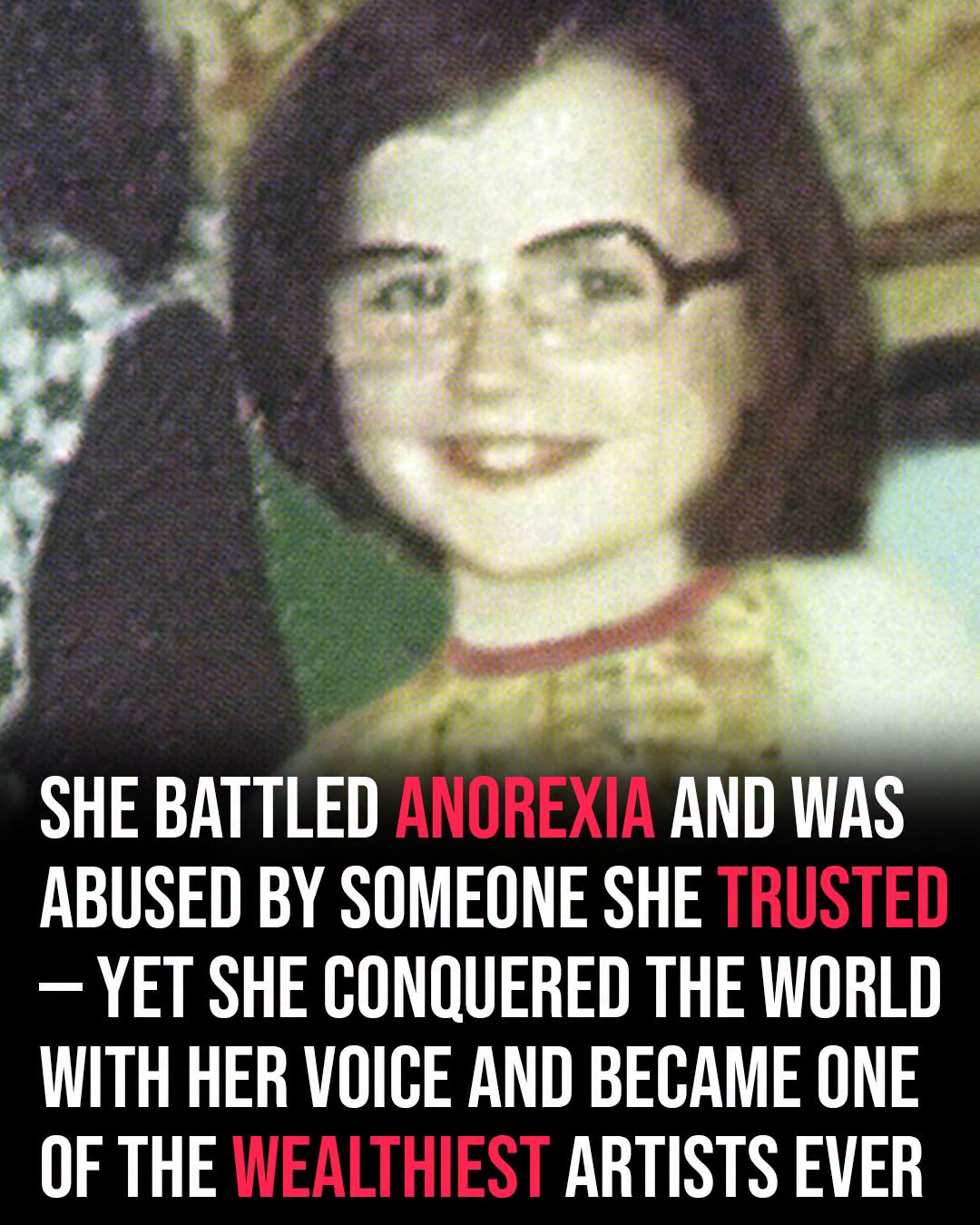
She began as a shy girl in a small Irish village, clutching a cheap keyboard and a secret hope that music might be her escape. It was, but escape has two edges. The same voice that lifted her to global stages also carried the weight of childhood abuse, religious guilt, and a mind that never truly rested. She wrote about war and loss because those themes already lived in her chest, long before the world heard “Zombie” roar from radios and mistake her pain for just performance.
As fame intensified, so did the fractures: panic attacks on tour, dissociation, self-medication, and the quiet terror of not understanding her own brain. Diagnosed late with bipolar disorder, she tried to build something steady from broken parts—faith, therapy, motherhood, distance from the spotlight. Some days held. Others collapsed into hospital beds and headlines. On her final night there was laughter, plans, a deceptive lightness that felt like a turning point. Instead, it was a fragile calm before a fatal, alcohol-soaked slip beneath bathwater. She left no note, only songs where the real confessions had always been. In those recordings her voice cracks, trembles, then rises—proof a person can be devastated and dazzling at once, and that survival is often just a series of borrowed days.