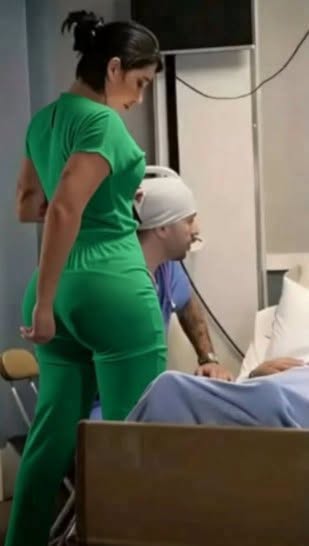
Others felt it crossed an ethical line by creating the appearance of a genuine medical emergency before revealing its promotional purpose. The debate quickly expanded beyond the advertisement itself and raised broader questions about trust, transparency, and the responsibility of content creators.
Healthcare professionals work in environments where real emergencies happen every day. Intensive care nurses and emergency teams rely on years of specialized training, teamwork, and quick decision-making to care for critically ill patients. Because of that, realistic portrayals of medical situations can carry significant emotional weight for audiences.
The viral clip also serves as a reminder that not everything shared online is exactly what it first appears to be.
Before reacting or sharing emotionally charged videos, it helps to pause and check the original source, read the full caption, and determine whether the content is news, entertainment, or advertising. A few extra moments of verification can prevent misinformation from spreading.
In today’s digital world, highly polished videos can blur the line between fiction and reality more easily than ever before. While this particular clip was scripted, the conversation it sparked about healthcare workers, advertising ethics, and digital media literacy is very real.
Have you ever watched a viral video that turned out to be something completely different than you first believed? Share your thoughts in the comments below, and if you found this article helpful, consider sharing it to encourage others to look beyond the headline before drawing conclusions.