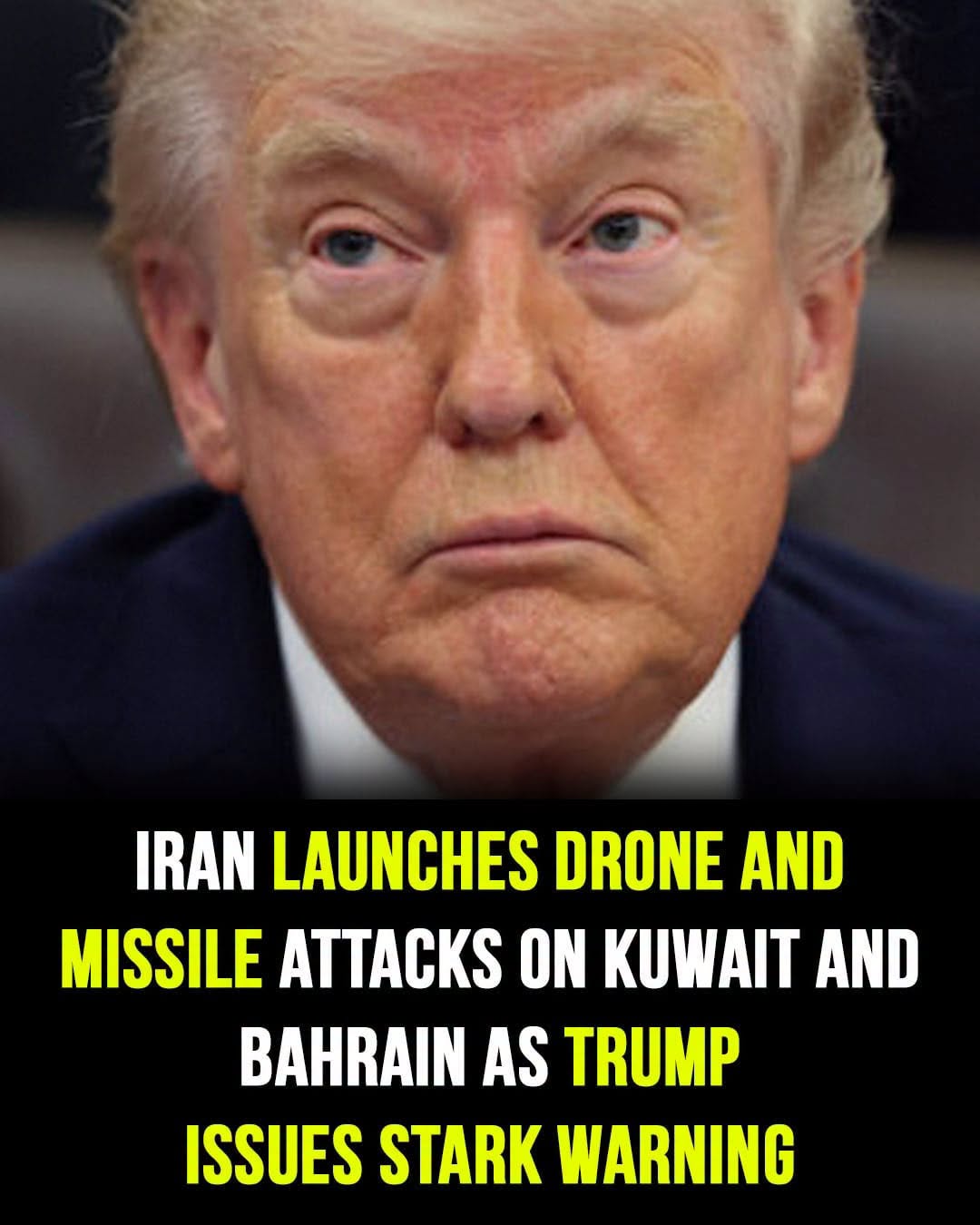
Iran’s decision to hit targets in Kuwait and Bahrain shattered the fragile illusion that the confrontation with the United States could be contained. Drones and ballistic missiles streaked across borders, slamming the region into a new phase where civilians wake to sirens and burning buildings instead of sunrise. For the first time in years, American forces and Iranian proxies are trading blows in places once considered relatively safe, and each strike raises the risk that one mistake, one misread radar blip, could trigger a regional firestorm.
At the center of it all lies the Strait of Hormuz, a narrow waterway now turned into a pressure point on the global economy. Iran insists it alone controls the passage and demands ships hug its coastline; the US and its allies refuse to yield. Every vessel that chooses a route is effectively taking sides. While negotiators talk in hotel rooms and issue cautious statements about “progress,” warships maneuver in tight waters, fingers hover over launch keys, and the world watches to see whether reason can outpace revenge before someone crosses a line that can’t be uncrossed.