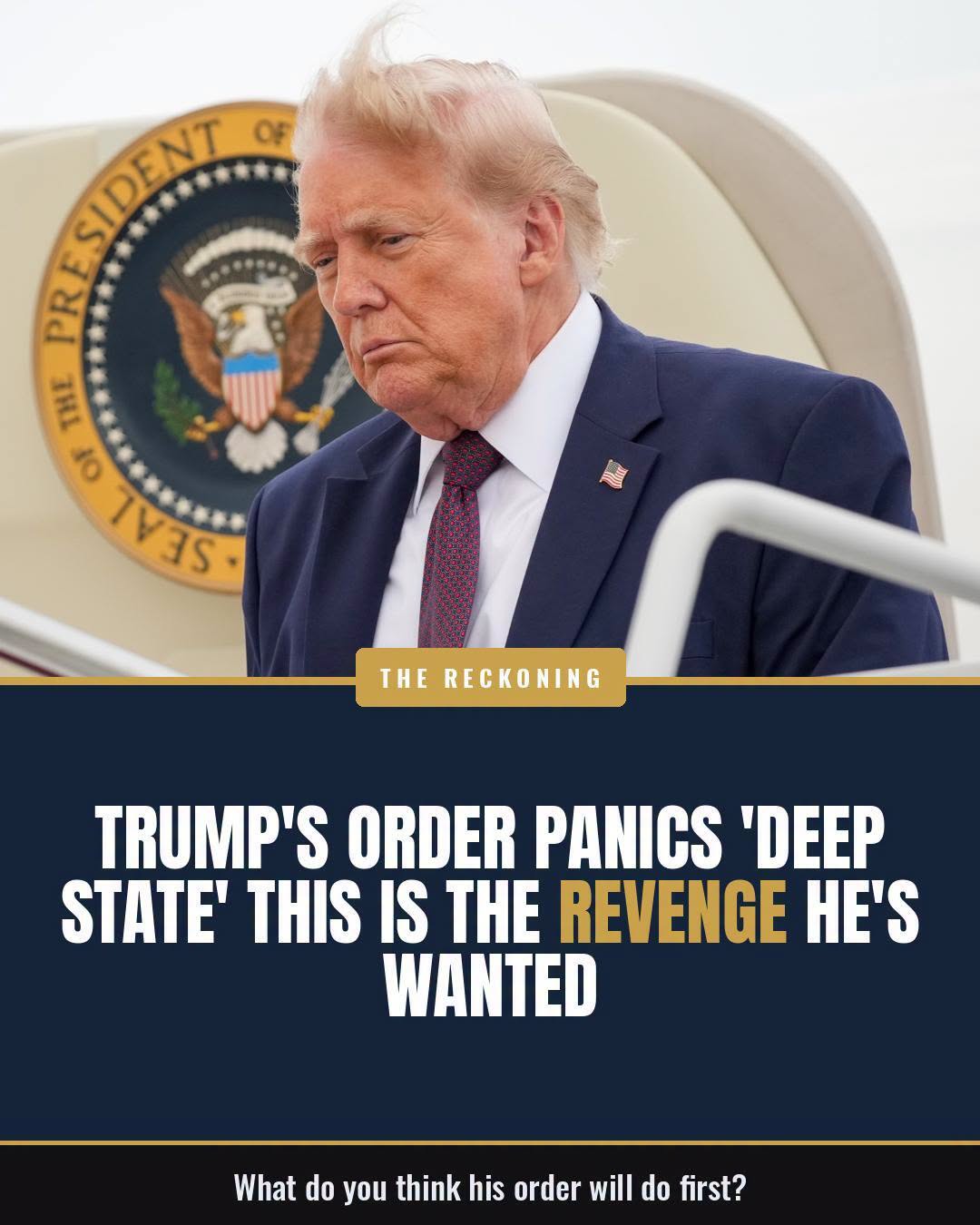
Acting Director of National Intelligence Bill Pulte has begun restructuring the Office of the Director of National Intelligence, removing several political appointees and returning dozens of career intelligence officers to their home agencies as the Trump administration moves to reduce the size of the government’s top intelligence coordinating office.
According to a report by The Washington Post, the changes include the dismissal of six political appointees and the reassignment of approximately 45 to 50 career intelligence officers who had been detailed to the ODNI from other federal agencies.
Sen. Tom Cotton, R-Ark., chairman of the Senate Intelligence Committee, defended the personnel changes on Wednesday, disputing claims that the office was carrying out “mass firings.”
Cotton said Pulte told him that only “a small handful of front-office personnel” were leaving, “which is not at all uncommon when a senior leader leaves an agency or one comes into an agency.”
He also said the 40 to 50 career officers were simply being sent back to their home agencies.
“I think that’s a step in the right direction,” Cotton said on the Senate floor.
Cotton has long supported reducing the size of the Office of the Director of National Intelligence. Last year, he introduced legislation that would limit the agency’s full-time workforce to 650 employees.
The latest personnel changes have drawn criticism from several former intelligence officials, including some who have previously argued that the agency should eventually be streamlined.
Beth Sanner, a former deputy director of national intelligence who also served as President Trump’s intelligence briefer during his first term, said she believes the staffing reductions could undermine the office’s ability to carry out its mission.
“The agency is being so hollowed out that its new name might become DNR — do not resuscitate,” Sanner told the Post. “It’s on life support already.”
Julia Curlee, who was the director of intelligence programs on Trump’s White House staff until last year and recently resigned from the CIA after a 20-year career as an analyst, questioned the administration’s approach.
“Reasonable people can debate ODNI’s size and mission,” Curlee told the newspaper.
“But sacking dozens of seasoned officers in your first week isn’t reform — it’s performative firing to please a president who treats his own intelligence community as the enemy within,” she said.
John Sipher, a former CIA chief in Moscow who spent 28 years with the agency, advocates for reducing the size of ODNI, but disagrees with the methods being used for these changes.
“Getting [the agency] smaller makes sense, but this isn’t the way to do it,” Sipher told The Post.
It’s not clear what his suggestions for reducing the ODNI’s size were, if any.
President Trump has called for reducing the size of the Office of the Director of National Intelligence, which was established in 2004 to oversee coordination among the nation’s 18 intelligence agencies following recommendations made in the aftermath of the Sept. 11, 2001, terrorist attacks.
The ODNI has not indicated whether additional workforce reductions or restructuring measures are planned beyond the changes already announced.
Last year, a few months after he took office, Trump – along with Pulte – called for a federal probe of then-Federal Reserve Chairman Jerome Powell.
In a Truth Social post, Trump linked to a Bloomberg report that laid out the accusations made by then-Federal Housing Finance Agency Director Pulte, who claimed Powell lied under oath during a Senate Banking Committee hearing.
Pulte said Powell misled lawmakers when questioned about the Fed’s controversial $2.5 billion renovation plan for its Washington, D.C., headquarters, Conservative Brief reported at the time.
When asked by senators, Powell said the more extreme renovation items were part of older plans that had already been dropped. He insisted that other expenses, like fixing elevators to board members’ offices and replacing marble fixtures, were simply part of maintaining the existing structure.
Pulte didn’t buy it.
He accused Powell of delivering “deceptive” testimony and said the Fed chair gave answers that rise to the level of being fired for cause.