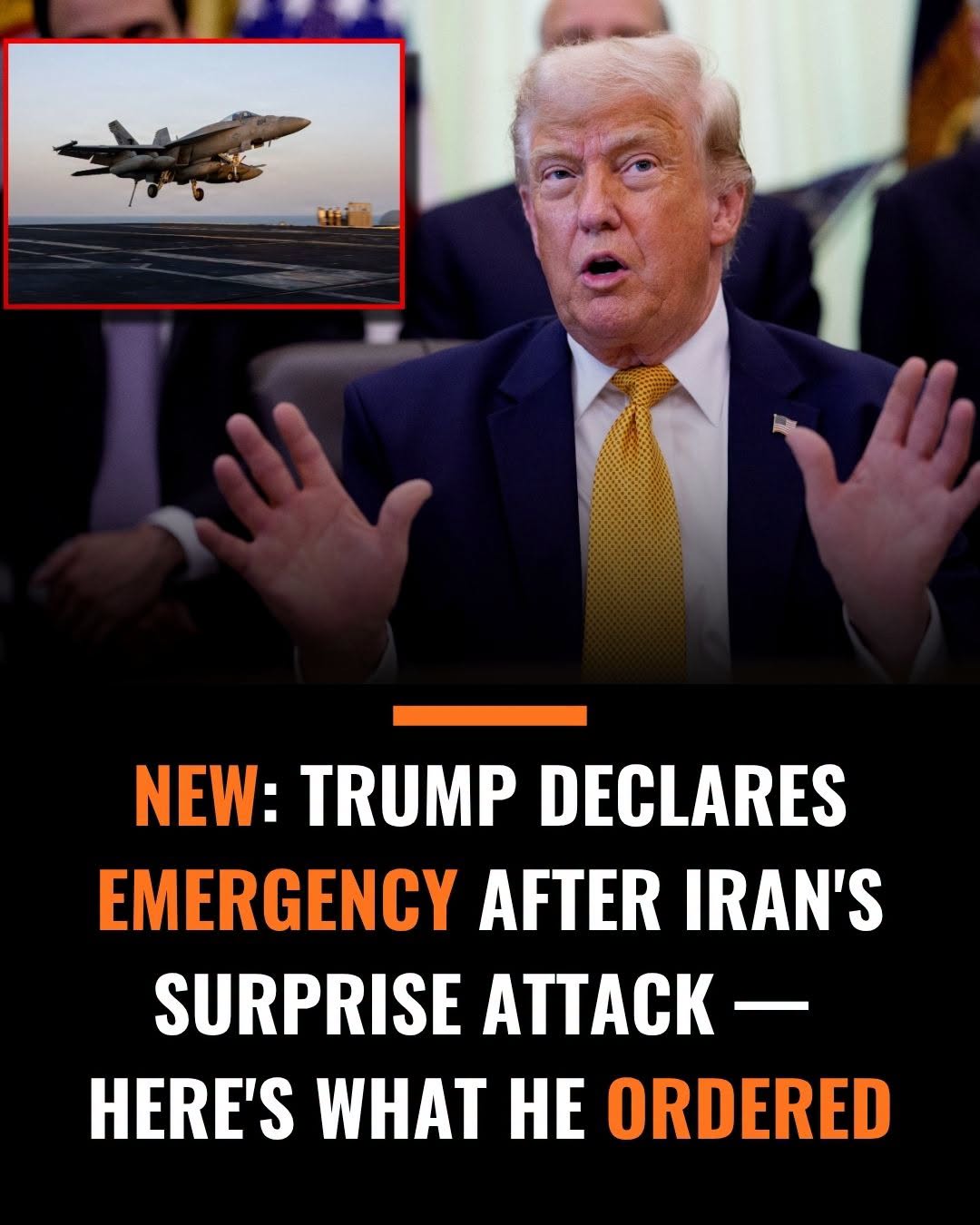
President Donald Trump warned Iran that it would face consequences after Tehran launched a drone attack on a commercial cargo ship in the Strait of Hormuz, and within hours the U.S. military carried out airstrikes against Iranian targets.
“The Islamic Republic of Iran shot at least four One Way Attack Drones at Ships transversing the Strait of Hormuz. One of the Drones solidly hit the upper deck of a large and very expensive Cargo Carrying Ship. Damage was done, but the Ship was able to proceed on its way. We knocked down three other Drones. Obviously, this is a foolish violation of our Ceasefire Agreement,” Trump wrote on Truth Social.
When reporters later asked whether Iran would face consequences for violating the ceasefire, Trump replied simply: “You’ll find out.”
The answer came Friday as U.S. Central Command confirmed it had launched strikes against Iranian military targets.
CENTCOM said American forces struck Iranian missile and drone storage facilities along with radar sites in what it described as a “powerful response” to Iran’s attack on commercial shipping.
“The unwarranted aggression against commercial shipping by Iranian forces clearly violated the ceasefire,” CENTCOM said in a statement.
A U.S. official told CBS News that six land-based American aircraft struck four separate targets along the Strait of Hormuz and on Iran’s Qeshm Island before the operation concluded.
The military action followed Iran’s attack one day earlier on a Singapore-flagged cargo vessel traveling through the Strait of Hormuz.
A U.S. official confirmed the drone strike damaged the ship’s bridge, though no injuries or environmental damage were reported. The United Kingdom Maritime Trade Operations Centre said the vessel was operating off the coast of Oman when it was struck.
The latest exchange threatens to complicate the fragile ceasefire agreement reached between Washington and Tehran earlier this month.
Under the 14-point memorandum of understanding negotiated by the two countries, Iran agreed to use its “best efforts” to ensure safe, toll-free passage through the Strait of Hormuz for 60 days while both sides negotiate a broader agreement covering Iran’s nuclear program and regional security issues.
Following the agreement, commercial shipping through the strategic waterway increased sharply and global oil prices fell toward pre-war levels.
However, disputes over implementation have continued.
The United States supports routing ships through the southern portion of the strait near Oman’s coastline, while Iran insists commercial vessels continue using routes closer to its own shores and has suggested commercial tolls could eventually be imposed after the temporary agreement expires.
Iran’s Persian Gulf Strait Authority warned Thursday that vessels using routes outside those designated by Iranian authorities would not receive safe-passage guarantees or insurance protections.
The renewed military action also raises new questions about the future of ongoing diplomatic negotiations between Washington and Tehran.
Vice President JD Vance, who has played a leading role in the talks, defended the administration’s response Friday.
“Iran signed a ceasefire agreement. We have honored it,” Vance wrote on social media.
“If they have disagreements about how the memorandum of understanding is being applied, they can pick up the phone. But violence will be met with violence,” CBS News reported.
The strikes mark the first direct U.S. military action against Iran since the two nations agreed to extend their ceasefire and begin negotiations aimed at reaching a permanent agreement over the next 60 days.