She didn’t run to me. She didn’t start talking about dance practice or some ridiculous thing a girl at school said. She just stood there, eyes down, clutching her bag like it weighed more than she did. When I asked what happened, my mother sang, “She’s just tired. Big week.” That was the first lie. By the time we reached the car, the truth spilled out—a story of a missing pair of shoes, a false accusation, and a campaign of humiliation that had already stripped my daughter of her friends and her place on the team.
My parents had decided that because my daughter was talented, she must be jealous. They decided that because they couldn’t find my sister’s daughter’s shoes, my child must be a thief. They didn’t just ground her; they went to her school, her coach, and her friends’ parents, turning my daughter into a social pariah in a matter of days. They called it “teaching her respect.” I called it the destruction of a child’s life based on a petty, toxic assumption.
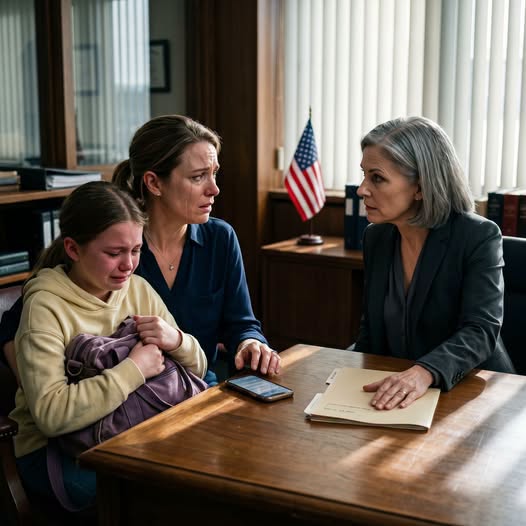
I didn’t scream. I didn’t beg. Instead, I made one phone call to my grandfather’s former lawyer—a woman who knew how to make powerful people read the fine print they hoped everyone else would ignore. We sat in her office, the air thick with the scent of old paper and cold, hard reality. She listened, her expression unreadable, until I finished the story. Then, she asked the question that changed everything: “Who is handling the trust your grandfather set up for her?”
I froze. I knew nothing about a trust. My parents had told me for years that everything was “handled.” The lawyer leaned back, her eyes sharpening. She explained that my parents were the trustees, and they had been using that trust as a personal piggy bank, pulling out “advances” that were never repaid. Worse, the trust contained a character clause—a provision they were now weaponizing to brand my daughter a thief, potentially disqualifying her from her own inheritance to protect their own interests.
The unraveling was swift. We demanded the records. We sent the letters. We forced them to confront the paper trail they thought they had buried under years of fake smiles and social standing. When the audit hit, the house of cards didn’t just fall; it was dismantled. They had to sell their home to repay the money they had siphoned from my daughter’s future. The town that had whispered about my daughter’s “theft” soon found themselves whispering about the grandparents who had been caught red-handed. My daughter is back on the team, and she has learned the most important lesson of all: respect is not something you demand from a child—it is something you earn by being a person of integrity.