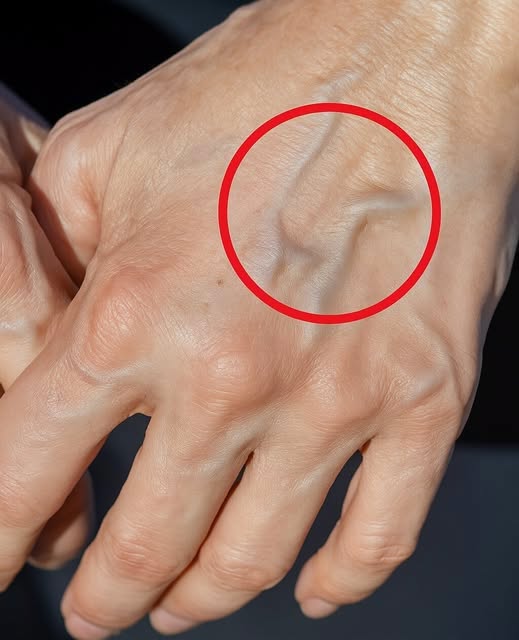
Veins often become more visible for simple reasons: aging skin, genetics, hot weather, exercise, or weight changes. In these cases, the vessels are just closer to the surface or temporarily enlarged as your body regulates temperature and blood flow. They may look dramatic yet cause no pain, swelling, or skin changes—and usually don’t signal anything dangerous beneath the surface.
Concern begins when the pattern shifts. Sudden prominence without a clear trigger, persistent aching, heaviness, burning, or cramping around the veins, or skin that turns red, brown, or hardened can point to varicose veins, phlebitis, or even deep vein thrombosis. New, unusual veins on the chest or abdomen, especially with weight loss, fatigue, or abdominal pain, deserve prompt medical evaluation. Listening to these subtle warnings, and seeking help when something feels “off,” lets you catch problems early—before a visible vein becomes a silent emergency.