Head lice are a common concern for families with school-aged children, and dealing with an infestation can be both time-consuming and stressful. Many parents describe it as one of the more frustrating childhood health issues because it often spreads quickly within classrooms and households. Although head lice do not pose serious medical danger, they can cause significant discomfort, irritation, and inconvenience for both children and parents.
The issue tends to become more noticeable when children return to school after holidays or breaks. During these periods, children spend more time in close contact with each other, which creates ideal conditions for lice to spread. Because head lice move from one person to another through direct head-to-head contact, schools, playgrounds, and group activities naturally increase the risk of transmission.
In many cases, the first signs of lice begin with itching of the scalp. However, symptoms do not always appear immediately, which can allow lice to spread before they are detected. As a result, more than one family member may become affected before the problem is identified. This is why early detection and regular checks are often recommended by health professionals.
It is important to understand how head lice spread in order to prevent unnecessary confusion. Head lice cannot jump or fly; instead, they crawl from one strand of hair to another during close contact. This means that activities involving direct head proximity, such as children playing together or taking group photos, are the most common ways lice are transmitted.
There are also several misconceptions about how lice are spread. While people often worry about sharing hats, pillows, or hairbrushes, research shows that this is not the primary method of transmission. Head lice survive for a very short time away from the human scalp, which makes indirect spread through objects much less likely compared to direct contact.
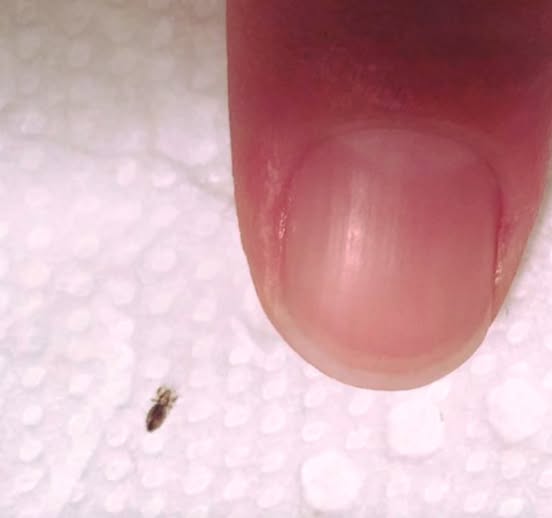
Detecting head lice usually requires a careful examination of the scalp and hair. Lice are small insects, typically a few millimeters in size, and can be difficult to spot with the naked eye. They may appear grayish or brown and tend to move quickly through the hair. One of the most effective methods of detection is using a fine-toothed lice comb on wet hair, which helps identify both lice and eggs.
Lice eggs, also known as nits, are often easier to find than the live insects themselves. These eggs are usually attached firmly to hair strands close to the scalp, where the temperature is ideal for hatching. Depending on their stage, they may appear white, yellowish, or darker in color. Unlike dandruff, nits do not easily fall off when touched or brushed.
Health experts generally advise that treatment should focus on confirming the presence of live lice rather than only empty eggs. This is because empty eggs may remain attached to hair even after an infestation has been treated. Regular combing is often recommended as part of both detection and removal, especially when done systematically over several days.
When it comes to treatment, many over-the-counter lice shampoos and lotions are available and are commonly used as first-line solutions. These products are designed to kill live lice, although multiple applications may sometimes be required depending on the severity of the infestation. It is also usually necessary to repeat treatment after a certain number of days to ensure newly hatched lice are also eliminated.
In addition to medicated treatments, wet combing is widely recommended by health authorities. This method involves washing the hair and using a fine-toothed comb to remove lice and eggs manually. While it requires patience and repetition, it is considered an effective non-chemical option when performed correctly over time.
Household cleaning can also play a supportive role in managing lice. Washing bedding, towels, and recently used clothing in hot water can help reduce the risk of reinfestation. However, extensive cleaning of the entire home is generally not necessary, as lice do not survive long away from the scalp.
Preventing head lice is often more challenging than treating them, but certain habits may reduce the risk. Encouraging children to avoid head-to-head contact during play and school activities can be helpful. Regular scalp checks, especially during school terms, can also assist in identifying infestations early before they spread further within a family.
It is also important to reassure families that head lice are not a sign of poor hygiene. They can affect anyone regardless of cleanliness, hair type, or living conditions. Because of this, stigma should be avoided, and focus should remain on effective detection and treatment.
Overall, head lice remain a common but manageable condition. While they can cause inconvenience and discomfort, modern treatment methods and proper detection techniques make it possible to control and eliminate infestations effectively. With consistent care, awareness, and appropriate treatment, families can reduce both the spread and impact of head lice in everyday life.