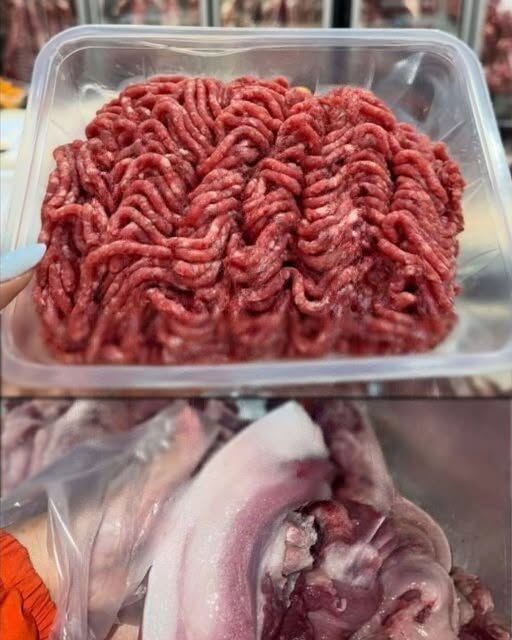
A Practical Guide to Selecting Safe, Fresh, and High-Quality Meat for Everyday Cooking
When building a nutritious and balanced diet, the quality of your ingredients matters just as much as the meals you prepare. Meat, in particular, is a staple in many households because it provides essential nutrients such as protein, iron, zinc, and B vitamins. However, it is also one of the most delicate food categories, requiring careful attention to freshness, storage, and handling.
Even though supermarkets and food suppliers must follow safety regulations, not all meat products are equal in quality. Small differences in how meat is processed, packaged, transported, and stored can significantly affect both its safety and taste. For this reason, it’s important to understand how to identify fresh, high-quality meat and avoid products that may not be safe to consume.
With a few simple strategies and mindful habits, you can shop more confidently, protect your health, and improve the overall quality of your meals. This guide covers everything from choosing the best cuts at the store to storing and preparing meat safely at home.
Why Meat Quality and Safety Matter
Meat plays an important role in many diets due to its rich nutritional profile. It supplies the body with amino acids needed for muscle growth, supports immune health, and contributes to overall energy levels. However, because meat is highly perishable, it can quickly become unsafe if not handled properly.
Improper storage, exposure to incorrect temperatures, or poor hygiene during processing can lead to contamination. Consuming spoiled meat may increase the risk of foodborne illness, which can range from mild digestive discomfort to more serious health concerns.
On the other hand, fresh, high-quality meat offers better flavor, improved texture, and a more enjoyable cooking experience. It tends to cook evenly, retain moisture, and deliver superior taste. Choosing quality meat helps you maximize both nutrition and safety.
How to Recognize Fresh Meat
One of the most effective ways to choose safe meat is by paying attention to basic sensory indicators—appearance, texture, and smell. These simple checks can tell you a lot about the product before you buy it.
Color
Color is often the first thing people notice when selecting meat. Fresh meat should have a natural, vibrant appearance:
- Beef typically appears bright red due to oxygen exposure
- Poultry usually has a pale pink tone
- Pork often shows a soft, light pink color
While slight variations are normal, avoid meat that looks dull, gray, or discolored. These changes may indicate that the product is no longer fresh.
Texture
Fresh meat should feel firm and slightly moist. It should not be overly dry, sticky, or slimy. A sticky or tacky surface is often a warning sign of bacterial growth, suggesting the meat may no longer be safe.
Smell
Fresh meat generally has little to no strong odor. If you notice a sour, pungent, or unpleasant smell, it’s best to avoid that product. Odor is one of the clearest indicators of spoilage.
Packaging
Always inspect the packaging carefully. Avoid meat that has:
- Leaking liquids
- Broken or loose seals
- Swollen or bloated wrapping
Proper packaging helps maintain freshness and prevents contamination. If anything looks compromised, choose a different product.
The Importance of Reading Labels
Food labels provide valuable information that can help you make informed and safe choices. Taking a few seconds to read the label can make a big difference.
Key details to look for include:
- Expiration or “use by” date: Indicates how long the meat remains safe when stored properly
- Packaging date: Helps you understand how recently the meat was processed
- Storage instructions: Guides you on keeping the product at safe temperatures
- Country of origin: Offers insight into production standards
Clear and accurate labeling helps reduce uncertainty and ensures you use the product within safe time limits.
Where You Buy Meat Matters
The place you purchase your meat can greatly influence its quality. Reliable retailers are more likely to follow strict hygiene and food safety standards throughout the supply chain.
Good options include:
- Established grocery stores
- Certified suppliers
- Reputable local butcher shops
These sources usually maintain proper refrigeration, clean environments, and consistent quality checks. Buying from trusted sellers increases confidence in what you’re bringing home.
Developing a relationship with a knowledgeable butcher can also be helpful. They can guide you in choosing the right cuts and offer tips on preparation and cooking.
Safe Storage and Handling at Home
Even the freshest meat can become unsafe if it’s not handled properly after purchase. Proper storage is essential to maintaining quality and preventing contamination.
Refrigeration
- Store meat in the refrigerator as soon as possible
- Keep the temperature below 4°C (40°F)
- Place meat on the lowest shelf to prevent juices from dripping onto other foods
Freezing
If you don’t plan to use the meat within a few days, freezing is a good option. Properly wrapped meat can be stored for longer periods without major loss of quality.
Preventing Cross-Contamination
Raw meat should always be kept separate from other foods, especially those eaten raw like fruits and vegetables. Use separate containers, cutting boards, and utensils to reduce risk.
Cooking Meat Safely
Cooking meat properly is one of the most important steps in ensuring food safety. Heat kills harmful bacteria and makes food safe to eat.
Cooking Tips
- Cook meat to the correct internal temperature
- Avoid undercooking, especially poultry and ground meat
- Use a food thermometer for accuracy when possible
Kitchen Hygiene
- Wash your hands before and after handling raw meat
- Clean all surfaces, utensils, and cutting boards thoroughly
- Do not reuse marinades or sauces that have touched raw meat unless they are cooked
Following these steps helps protect your health and improves meal quality.
Warning Signs of Spoiled Meat
Recognizing when meat is no longer safe is just as important as selecting fresh products. If you notice any of the following, discard the meat:
- Slimy or sticky texture
- Unusual discoloration (gray or green tones)
- Strong, unpleasant odor
If something doesn’t seem right, it’s better not to take risks.
Benefits of Buying from Local Producers
Many people choose to buy meat from local farms or small-scale producers. These options can offer several advantages:
- Fresher products due to shorter supply chains
- Greater transparency about sourcing and handling
- Opportunities to ask questions directly
Supporting local producers can also benefit your community and encourage more sustainable practices.
Building Better Shopping Habits
Small changes in how you shop can make a big difference in food safety and quality over time.
Consider these habits:
- Plan meals in advance to avoid overbuying
- Choose stores with clean and organized meat sections
- Bring an insulated bag if you have a long trip home
- Buy meat last to minimize time outside refrigeration
These simple steps help maintain freshness from the store to your kitchen.
Common Myths About Meat Safety
There are several misconceptions that can lead to unsafe practices. Understanding the facts helps you make better decisions.
Myth: Color alone determines freshness
Reality: Color is important, but it should be evaluated along with smell and texture.
Myth: Freezing kills all bacteria
Reality: Freezing slows bacterial growth but does not eliminate it completely. Proper cooking is still necessary.
Myth: Washing raw meat makes it safer
Reality: Washing can spread bacteria to surfaces and utensils. Cooking thoroughly is the safest approach.
Maintaining a Safe Kitchen Environment
Food safety doesn’t end when you leave the store—it continues in your kitchen. Keeping your cooking space clean and organized is essential.
Best practices include:
- Regularly sanitizing countertops and cutting boards
- Using separate tools for raw and cooked foods
- Keeping your refrigerator clean and at the correct temperature
A clean kitchen supports all your efforts to prepare safe and high-quality meals.
Final Thoughts
Choosing fresh, safe, and high-quality meat doesn’t have to be complicated. With a little attention to detail, you can confidently select products that meet your standards.
By focusing on factors like appearance, smell, packaging, and labeling, you can quickly identify good-quality meat. Combining these habits with proper storage and cooking techniques further reduces risks and enhances your meals.
Ultimately, making informed choices about the food you buy is an investment in your health. With consistent care and mindful practices, you can enjoy flavorful, nutritious meals while maintaining a high level of food safety in your home.
Additional Tips for Everyday Confidence
As you continue to build better habits around selecting and preparing meat, consistency becomes your greatest advantage. The more often you apply these guidelines, the more natural they will feel during your routine shopping and cooking.
It can also be helpful to stay mindful of portion sizes and proper thawing methods. When defrosting frozen meat, always do so in the refrigerator rather than at room temperature. This helps maintain a safe temperature and reduces the risk of bacterial growth. If you need a quicker option, sealed meat can be thawed in cold water, provided the water is changed regularly.
Another useful practice is labeling meat before freezing, including the date of storage. This allows you to keep track of how long items have been stored and ensures you use older products first.
By combining careful selection, proper storage, and safe preparation techniques, you create a reliable system that supports both health and convenience. Over time, these small, thoughtful actions contribute to better meals, less waste, and greater peace of mind in your kitchen.