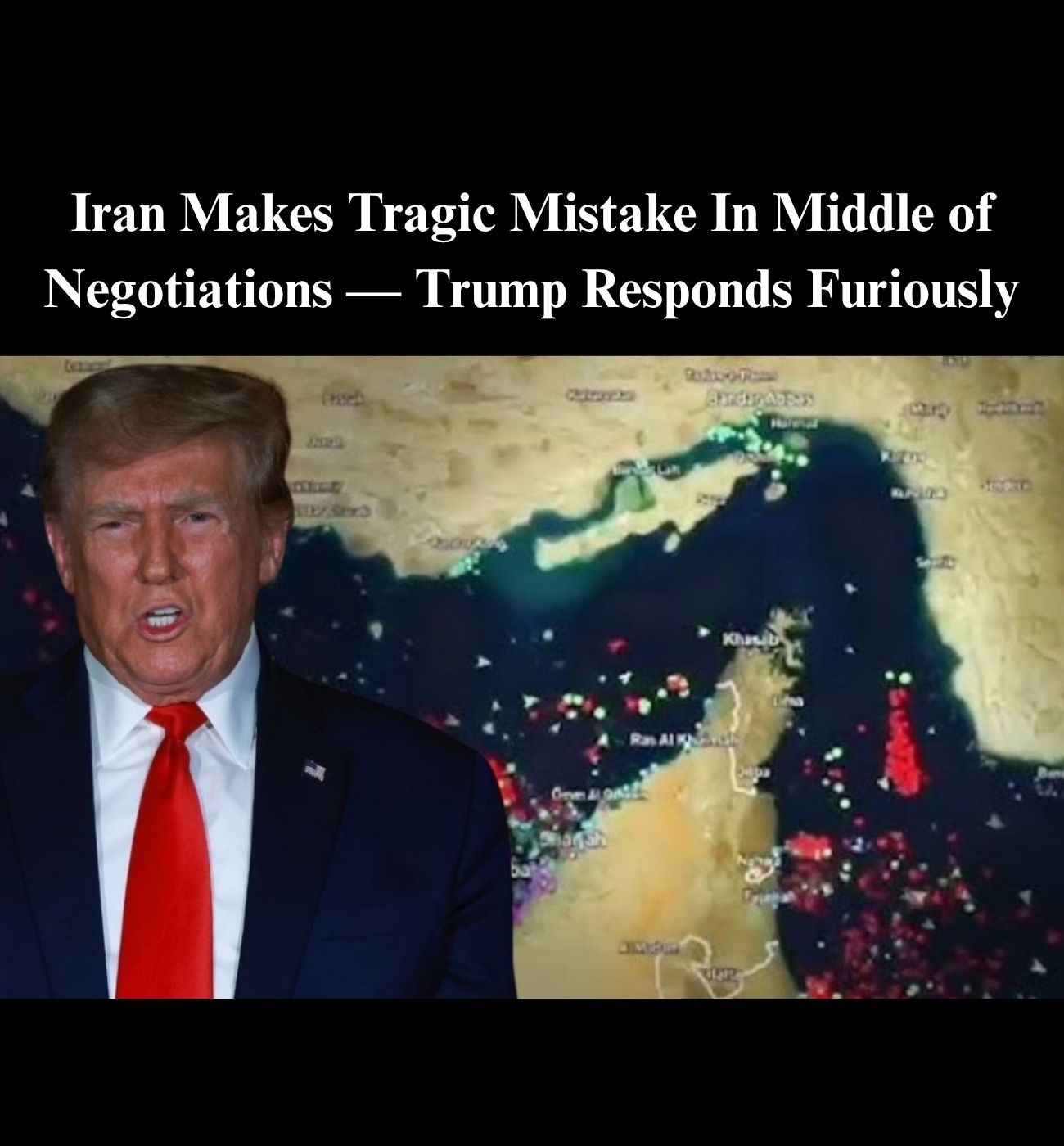
President Donald Trump is seeking significant revisions to a proposed agreement with Iran after a high-level Situation Room meeting failed to produce a final deal, according to multiple reports.
The administration remains engaged in negotiations aimed at securing a broader framework that could reduce tensions in the Middle East, address Iran’s nuclear program, and preserve a fragile regional ceasefire.
The talks follow Trump’s announcement last week that negotiators had developed a largely completed framework for a 60-day memorandum of understanding between the United States and Iran.
The proposed arrangement reportedly includes a temporary ceasefire, the reopening of the strategically vital Strait of Hormuz, negotiations over Iran’s nuclear activities, and provisions affecting regional conflicts involving Israel and Hezbollah.
While early reports suggested that the framework was close to completion, administration officials now say Trump withheld final approval and instead requested several key changes before signing off on any agreement.
According to reports from officials familiar with the negotiations, Trump wants more detailed commitments from Iran regarding its nuclear program, particularly concerning the disposition of the country’s stockpile of enriched uranium.
One senior administration official indicated that the president is seeking clearer guarantees regarding how enriched nuclear material would be transferred, secured, or destroyed, as well as a more specific timeline for implementation.
“In its current form, the memorandum of understanding includes a commitment from Iran not to pursue a nuclear weapon, but no specific concessions beyond that,” one report noted.
The president is also said to be pushing for stronger language regarding the reopening of the Strait of Hormuz, one of the world’s most important maritime shipping lanes.
Trump has repeatedly emphasized that any agreement must guarantee unrestricted commercial navigation through the waterway, which handles a significant portion of global energy shipments.
On Saturday, Trump reiterated his position in a public statement, declaring that Iran “must agree that they will never have a Nuclear Weapon or Bomb” and insisting that the Strait of Hormuz be “immediately open, no tolls, for unrestricted shipping traffic, in both directions.”
The president also called for the removal of water mines from the region and demanded the elimination of Iran’s enriched nuclear material before broader sanctions relief could be considered.
“No money will be exchanged, until further notice,” Trump said. “Other items, of far less importance, have been agreed to.”
Administration officials remain publicly optimistic despite the delays.
One senior official acknowledged that negotiations have been complicated by communications challenges inside Iran, where much of the country’s leadership has reportedly been operating under extraordinary security measures amid ongoing regional tensions.
“There will be a deal,” the official said. “The imminence of it, we’ll see. We’re willing to wait so the president gets what he asks for.”
Officials suggested that negotiations could conclude within days, though they cautioned that the timeline remains uncertain.
Meanwhile, Iranian officials have publicly denied approving any final agreement, creating additional uncertainty about the status of the talks.
The negotiations come amid continued instability inside Iran itself.
Reports emerging Sunday indicated that Iranian President Masoud Pezeshkian has submitted a resignation letter to the office of Supreme Leader Mojtaba Khamenei, citing his alleged exclusion from major national security decisions.
According to reports citing sources familiar with the matter, Pezeshkian complained that key decisions had increasingly shifted to hardline factions within the Islamic Revolutionary Guard Corps, leaving his administration unable to effectively govern or carry out its constitutional responsibilities.
Neither Iran’s leadership nor the Supreme Leader’s office has publicly confirmed whether the resignation has been accepted.
At the same time, U.S. officials continue to emphasize that military options remain available if negotiations ultimately collapse.
War Secretary Pete Hegseth recently stated that American forces are fully capable of resuming operations against Iranian targets if necessary, while stressing that the administration remains focused on achieving a diplomatic resolution.
Those comments came as Israel expanded military operations in Lebanon under orders from Prime Minister Benjamin Netanyahu, highlighting the broader regional stakes surrounding the ongoing negotiations.
President Trump addressed the talks during a recent interview, describing Iranian negotiators as “very tough negotiators” while emphasizing that the United States remains patient and committed to securing a durable agreement.