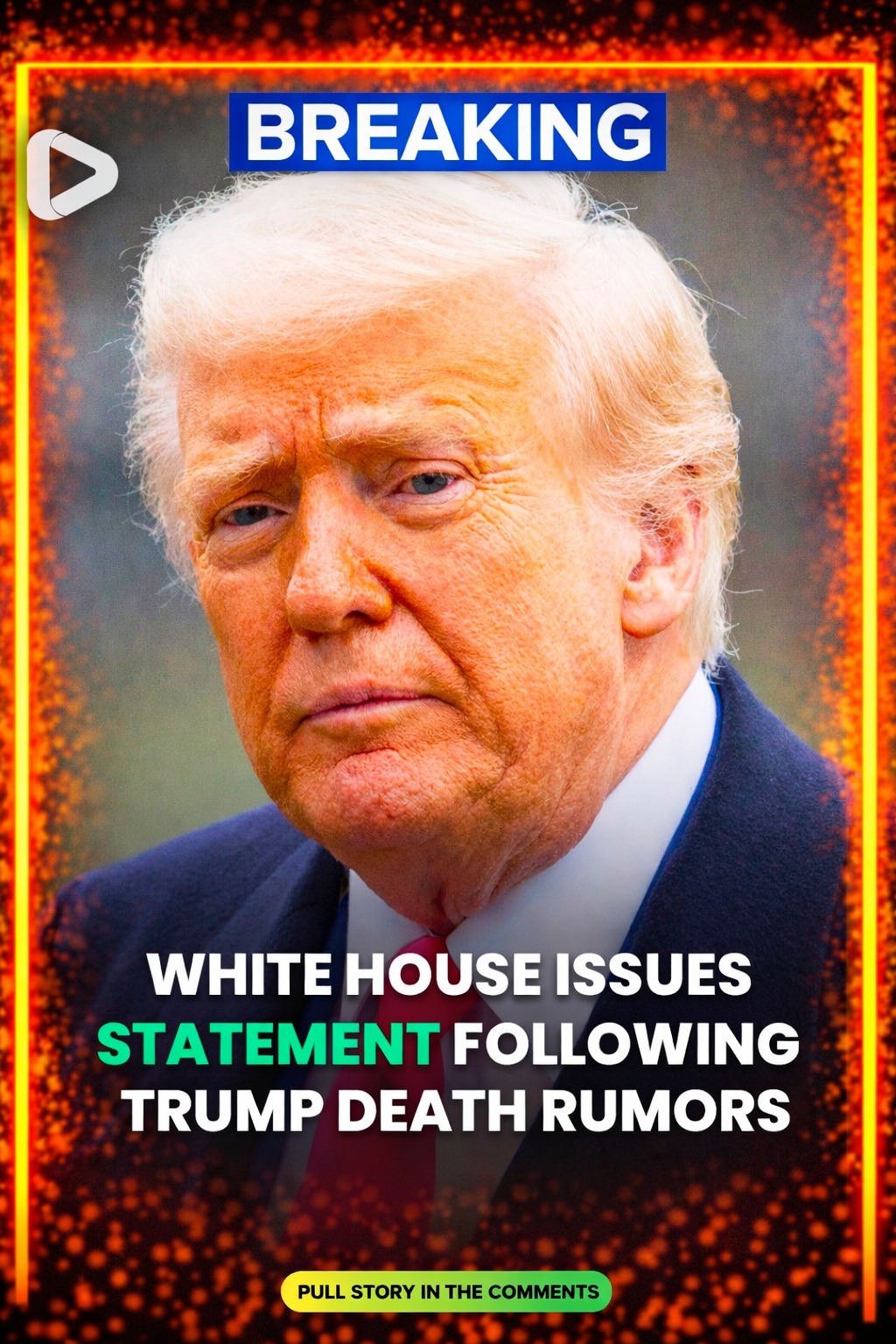
What unfolded over Easter weekend was less a medical emergency than a stark lesson in how fragile public trust has become. A single quiet day on the president’s schedule, a few unverified claims about roadblocks and restricted airspace near Walter Reed, and the online echo chamber did the rest. Within hours, “Trump is dead” was trending, drowning out nuance, context, and basic verification.
The White House response was swift and unusually blunt. Officials emphasized that Trump had been working inside the West Wing, visible signals like the Marine sentry reinforced that message, and the president’s own social media posts underscored a leader still deeply engaged. Yet the episode lingers as a warning: in an era where every pause is treated as proof, presidential health is no longer just a private matter or a medical chart — it’s a spark that can set the entire political conversation on fire.