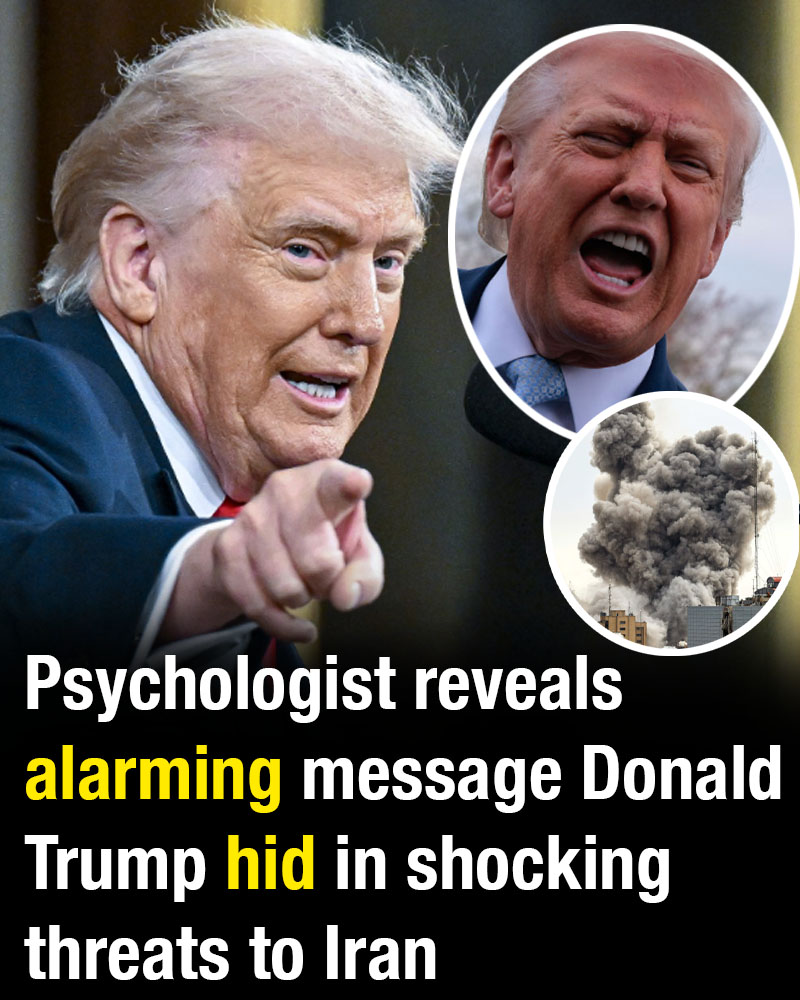
According to Dr Tracy King, Trump’s Iran rhetoric is crafted to do more than intimidate a foreign government; it is designed to overwhelm the public mind. By invoking “extortion, corruption, and death,” promising a world‑changing night, and hinting at a civilization’s end, he floods listeners with awe and dread before they can calmly assess what is real, what is likely, and what is simply theater. Extreme phrasing narrows the space for proportion and critical thought, pulling people into an emotional tunnel where fear and excitement drown nuance.
At the same time, King argues, Trump’s language relentlessly drags the spotlight back to himself. Even when praising military bravery, he centers what he saw, what impressed him, what he will do. The subtext becomes: he alone stands at the heart of rescue and retaliation. To supporters, this restores his status as untouchable strongman; to opponents, it cultivates a deliberate uncertainty, signaling that he might hold back, confuse, then strike without warning. Even as a brief U.S.–Iran ceasefire is announced, the psychological aftershock of his words lingers, shaping how both allies and enemies imagine what he might do next.