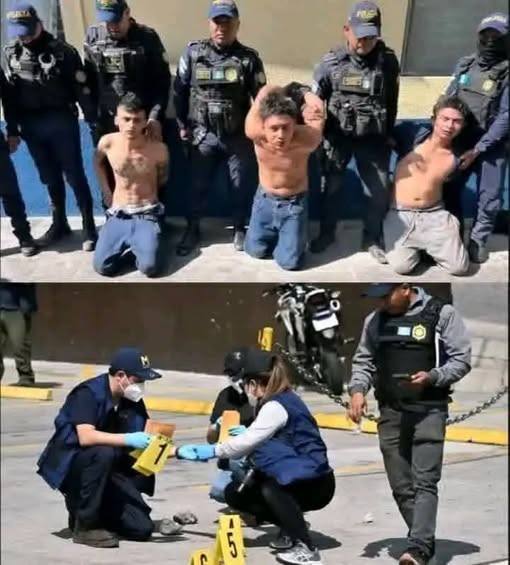
In an unprecedented escalation of security measures, Guatemala’s President Bernardo Arévalo announced a 30-day state of emergency on Sunday, responding to a dramatic surge of organized criminal activity that has shaken the nation in just a matter of days.
The announcement followed simultaneous uprisings at three separate prisons and the killing of eight police officers—events that authorities quickly linked to coordinated efforts by criminal networks aiming to retaliate against government crackdowns on their operations.
The emergency declaration grants expanded powers to both the national police and the Guatemalan army, allowing them to pursue criminal groups and dismantle their networks more aggressively.
President Arévalo assured citizens that the measure was targeted and designed to maintain public safety without disrupting the daily lives of ordinary Guatemalans. As a precaution, schools across the country were temporarily suspended on Monday, a decision framed as a protective step while security forces worked to stabilize the most affected regions.
A Weekend of Coordinated Violence
The weekend’s events unfolded with a precision that suggested careful planning rather than random acts. On Saturday, prisoners at three facilities in different parts of the country took dozens of guards hostage. Authorities indicated that the uprisings were a direct response to recent policy decisions that removed certain privileges previously afforded to prison gang leaders, privileges that had allowed these organizations to operate with near impunity from within the prison system.