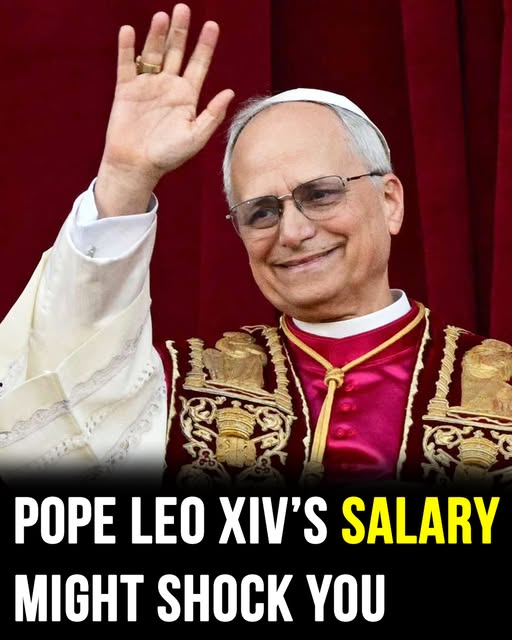
When the world learned that Robert Francis Prevost would become Pope Leo XIV, the first American pope in history, everyone assumed one thing: power comes with a massive paycheck. But then the rumors started. No salary. No fortune. No billionaire lifestyle. Just a man in white, living on Vatican resour…
Pope Leo XIV steps into a role wrapped in immense authority yet stripped of personal wealth. He will not draw a conventional salary; instead, the Vatican will quietly cover his housing, food, travel, security, and every practical need. On paper, the papal “income” is little more than a modest stipend. In reality, it is a life where nothing is owned, yet everything necessary is provided.
That paradox defines the papacy’s strange economics: vast institutional assets, but a personal life intentionally marked by simplicity. Following Pope Francis’ example, Leo XIV is expected to treat prestige as a burden, not a prize. The cars, the palaces, the donations, the global influence—none of it is meant for his comfort. It exists for mission, mercy, and service. His lack of a paycheck is not a loophole; it is the point.