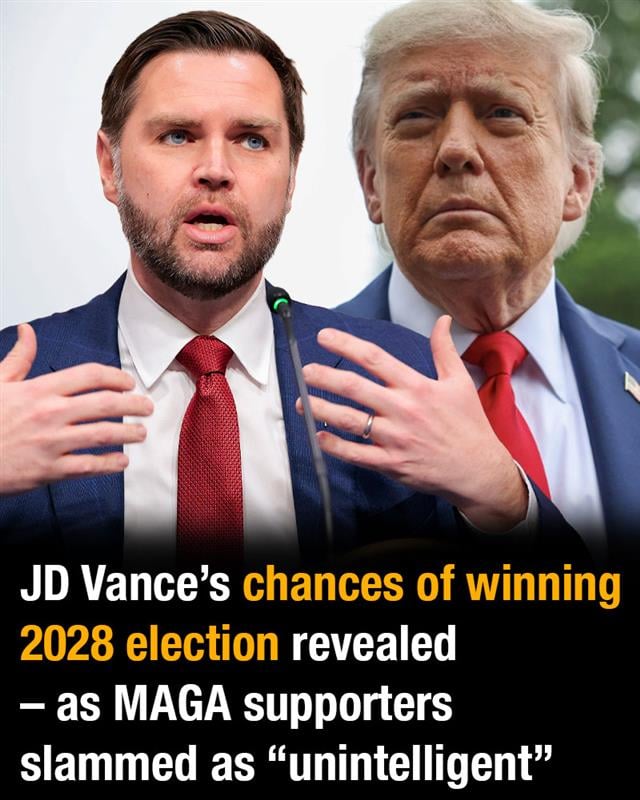
As Trump’s second and final term looms over Washington, the question of “What comes after?” is no longer hypothetical. For a brief moment, JD Vance looked like the obvious answer: a loyal vice president, a populist storyteller, a bridge between Trump’s base and the next generation. Markets once gave him better than a 30 percent shot at the presidency. That number has been cut nearly in half. Every new fluctuation on PredictIt or Kalshi now feels less like noise and more like a warning: nothing about the post-Trump GOP is settled.
The attacks aren’t just numerical; they’re cultural. Joe Rogan’s blistering dismissal of MAGA voters as “dorks” landed like a punch, challenging the movement’s self-image. Vance’s response — defending his supporters with a mix of humor and loyalty — hinted at his political instinct, but also at the fragility of his moment. Behind the polls and soundbites lies a harsher truth: Trump’s shadow is long, and anyone who hopes to step out of it will have to survive not just the markets, but a country still deciding what it wants to be after him.