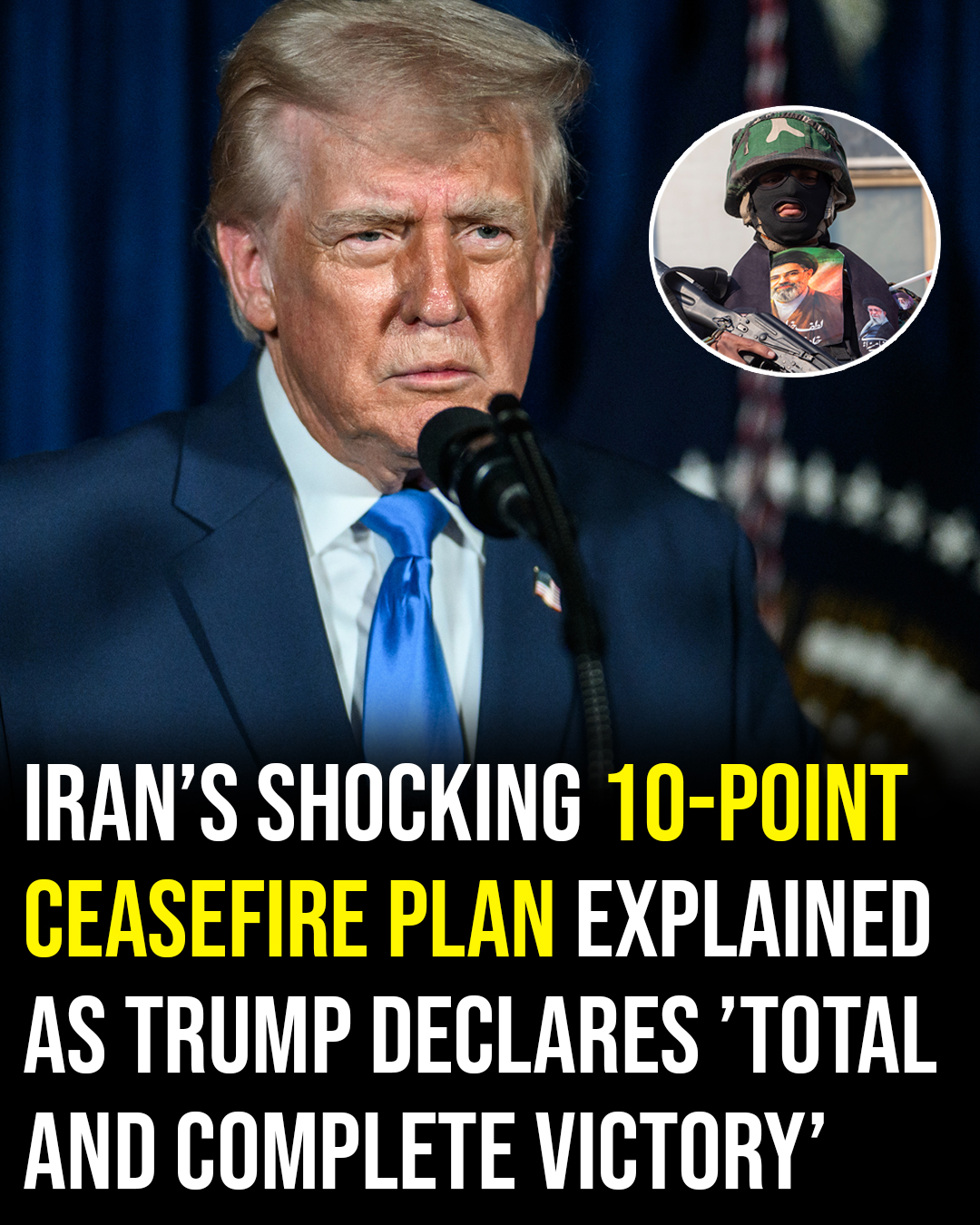
For two weeks, the world gets to exhale. Tankers will move through the Strait of Hormuz under Iran’s watch, American pilots will stand down, and diplomats will race to turn a fragile pause into something more permanent. Around that narrow waterway now hangs not just the price of oil, but the credibility of a U.S. president who promised “total victory” and instead endorsed talks on Tehran’s terms.
Behind the scenes, the picture is even messier. Pakistan, Egypt, Turkey, China, and Israel have all nudged the rivals toward the table, each calculating its own interests, each wary of a single misstep that could send missiles flying again. Supporters will say Trump chose lives over pride. Critics will insist he blinked. In Islamabad’s conference rooms, negotiators now face a brutal question: can they turn this improvised truce into a real peace before the countdown runs out?