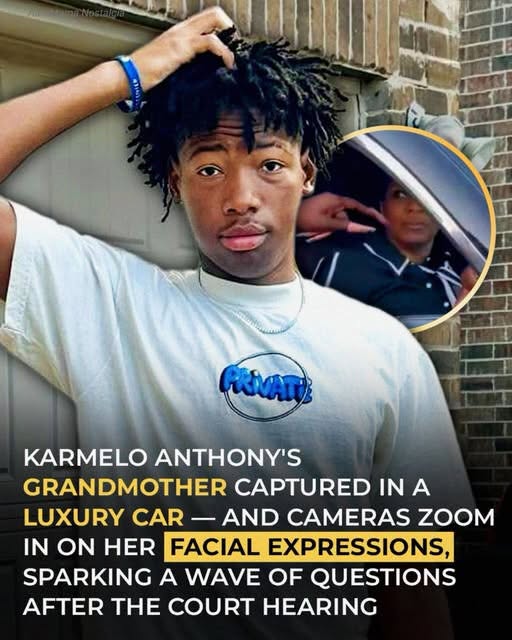
As legal proceedings surrounding Karmelo Anthony continue to attract public attention, photographs of his family life and personal milestones have become part of a broader conversation about how high-profile cases can change public perception.
Images that once documented ordinary family moments, school achievements, celebrations, and everyday experiences are now being viewed through the lens of a widely discussed legal case. The shift illustrates how public interest often extends beyond courtroom testimony and legal arguments, influencing how past events and personal histories are interpreted.
At the center of the case is a tragic confrontation that occurred during a school track meet, an event that has since become the focus of extensive legal proceedings, media coverage, and community discussion.
A Case That Captured Public Attention
The incident occurred during a school athletic competition in Texas, where students from multiple schools had gathered to participate in track and field events.
According to testimony presented during trial proceedings, a confrontation developed in a seating area near a school tent. Witnesses provided differing accounts regarding the events that unfolded, and attorneys for both sides presented contrasting interpretations of what occurred.
As often happens in major criminal cases, the courtroom became the setting for competing narratives, with prosecutors and defense attorneys examining witness statements, physical evidence, and legal standards relevant to the case.
The proceedings drew significant public interest because of the age of those involved, the location of the incident, and the profound impact on multiple families and the surrounding community.
The Role of Witness Testimony
Witness testimony played a central role throughout the trial.
Individuals who were present at the event described their observations of the confrontation and the moments leading up to it. Attorneys carefully questioned witnesses in an effort to establish timelines and provide context for jurors.
The defense argued that Anthony’s actions should be viewed within the circumstances he faced during the confrontation, while prosecutors presented a different interpretation of the events.
As with many criminal trials, jurors were tasked with reviewing evidence, evaluating testimony, and applying the law as instructed by the court.
The legal process highlighted the complexity of determining responsibility in situations involving conflicting accounts and emotionally charged circumstances.
Community Impact
Beyond the courtroom, the case has had a lasting impact on the local community.
School athletic events are generally associated with teamwork, competition, and student achievement. The tragic events that occurred during the track meet transformed what should have been a routine day into an experience that affected students, parents, coaches, and residents throughout the region.
Many community members have expressed sympathy for all families involved while emphasizing the importance of respectful dialogue and allowing the legal process to proceed fairly.
The case has also prompted broader discussions about youth conflict, communication, and the importance of resolving disagreements peacefully.
Public Interest in Family Photos
As media coverage expanded, photographs connected to Anthony’s family received increased public attention.
Images that once represented personal milestones and family memories became widely discussed online, generating a variety of reactions.
Experts in media and public communication note that this phenomenon is common in high-profile cases. Public interest often extends beyond courtroom developments and includes efforts to understand the backgrounds and personal histories of those involved.
However, legal professionals frequently caution against drawing conclusions about a case based on personal photographs, social media content, or public appearances. Court decisions are based on evidence presented during legal proceedings rather than public perceptions formed through unrelated images.
The Verdict and Immediate Reactions
When the verdict was announced, emotions were visible throughout the courtroom.
Family members, supporters, and observers reacted in different ways as the proceedings reached a significant milestone.
Cases involving young individuals often generate especially strong emotional responses because of the lasting consequences for everyone affected.
For the victim’s family, the verdict represented another step in a process shaped by grief and loss. For Anthony’s family, it marked a pivotal moment with significant implications for the future.
The reactions observed in the courtroom reflected the profound human impact that accompanies major legal decisions.
Sentencing Phase Becomes the Focus
Following the verdict, attention shifted to the sentencing phase of the proceedings.
During this stage, attorneys presented arguments regarding the appropriate punishment under Texas law.
The defense raised arguments related to legal provisions that can affect sentencing considerations, while prosecutors argued for accountability based on the facts established during trial.
Sentencing hearings often involve detailed examination of legal standards, mitigating factors, and other circumstances that may influence the court’s decision.
Legal experts note that this phase is distinct from determining guilt or innocence and focuses specifically on establishing an appropriate sentence within the framework provided by law.
Broader Conversations Emerging From the Case
The case has generated discussions that extend beyond the courtroom itself.
Community leaders, educators, parents, and legal observers have reflected on topics such as:
- Conflict resolution among young people
- School event safety
- The role of social media in high-profile cases
- Public perceptions of defendants and families
- The emotional impact of legal proceedings
These conversations highlight how major cases often become part of larger societal discussions about responsibility, justice, and prevention.
The Human Side of High-Profile Cases
One recurring theme throughout public discussion has been the recognition that legal cases affect many people beyond those directly involved.
Families, friends, classmates, teachers, and community members often experience long-lasting emotional effects as proceedings unfold.
Photographs, memories, and personal stories frequently become part of public conversations, but they also represent real lives and relationships that existed long before headlines and courtroom appearances.
Maintaining respect for those affected remains an important consideration as communities process difficult events.
Looking Ahead
As the legal process continues through sentencing and any potential future proceedings, attention is likely to remain focused on the case and its broader implications.
Observers will continue following developments while families and community members navigate the challenges associated with a tragedy that has left a lasting impact.
Although legal outcomes address specific questions under the law, many of the emotional and social effects will continue long after courtroom proceedings conclude.
Conclusion
The Karmelo Anthony case has become one of the most closely watched legal proceedings in the region, drawing attention not only to courtroom testimony but also to the broader human stories surrounding the individuals involved.
As photographs, witness accounts, and legal arguments continue to shape public discussion, the case serves as a reminder of how quickly lives can change and how deeply communities can be affected by a single tragic event.
While legal proceedings focus on evidence and accountability, the broader conversation remains centered on loss, justice, community impact, and the importance of understanding the human dimensions behind every headline.