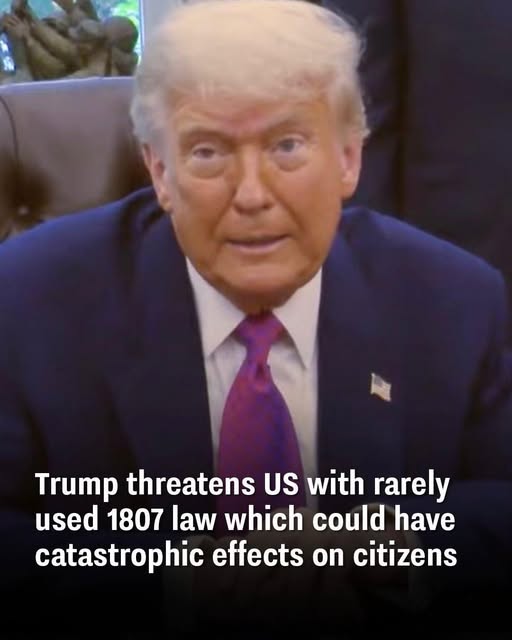
What started as targeted immigration enforcement in Latino neighborhoods quickly became a citywide reckoning over power and identity. Protesters filled the streets not only to challenge the raids, but to demand answers about who gets to feel safe in their own community. When federal forces surged into Los Angeles—Guard units, then Marines in “supporting” roles—the debate leapt from sidewalks to the Constitution itself, with Governor Newsom and President Trump locked in an unusually public clash over who was really in charge.
Behind the tear gas and televised confrontations, lawyers and scholars began dissecting every move: the limits of the Posse Comitatus Act, the shadow of the Insurrection Act, and how far a president can go in the name of restoring order. Supporters saw a necessary show of strength; critics saw the dangerous normalization of military muscle in civilian life. As the demonstrations continue, Los Angeles now stands as a test case for whether a nation can confront unrest, protect civil liberties, and renegotiate federal–state power without losing the public’s trust in the process.